Introduction
Summer heat isn't just uncomfortable; it can wear down the parts of your fleet you count on most. Here in Raleigh, NC, warm weather shows up early and sticks around. When roads heat up, so do your vehicle components. Brakes, in particular, deal with a heavy load. Long days, hot pavement, and stop-and-go traffic all pile on.
Catching brake problems before they grow helps prevent downtime, safety issues, and delivery delays. That is why we always recommend staying ahead with regular checks. For anyone looking for dependable brake service in Raleigh, NC, knowing what to look for during the heat of summer is a smart place to start.
How Hot Weather Affects Your Fleet's Brakes
Hot weather changes everything under the hood, but it affects brakes in particular. When road temperatures rise, the heat can build quickly during heavy stops. Over time, that extra stress adds up.
Here is how higher temperatures can impact brake systems:
- Brake fluid starts to thin when exposed to prolonged heat, which means it cannot transfer force as effectively. This eventually leads to weaker braking response.
- Brake pads and rotors wear down more quickly in heat, especially when vehicles are carrying heavy deliveries or navigating hilly routes.
- Metal parts expand slightly under heat, which may cause warping, dragging, or extra wear on other components.
Drivers may not notice anything at first, but as time passes, performance changes become harder to ignore. Slower stops, stronger smells, and odd noises are all signs that something may be going wrong because of the heat.
Warning Signs Drivers Shouldn't Ignore
Brake issues usually leave clues before they turn into significant problems. The key is catching them early. Even small changes in how a vehicle stops should raise a flag.
Here are the top signs we pay attention to:
- Squeaking or grinding sounds when braking
- A brake pedal that feels softer or spongy when pressed
- The vehicle pulling to one side during a stop
- A burning smell near the wheels, especially after several stops
- Delays in stopping or needing a longer distance to come to a full stop
These signs might not seem serious at first, but they usually point to wear underneath. Heat and pressure can cause parts to break down more quickly during summer. If a driver brings up one of these concerns, it is always worth taking a closer look before it turns into downtime.
Why Summer Is the Right Time for Brake Checks
Fleet use does not slow down in summer. In many cases, deliveries and mileage go up. That means more starts, more stops, and a greater chance for brake issues in the middle of a busy day.
There are a few reasons summer is an ideal time for brake checks:
- More miles usually mean more wear on brake pads and rotors, especially with extra weight on board
- Traffic patterns shift during warmer months, adding to stop-and-go driving around town
- High heat speeds up fluid breakdown, which reduces brake performance over time
By the time you notice a problem, it could already be affecting other parts of the braking system. Getting ahead of those issues helps avoid bigger ones down the road. A quick check during the season can make summer deliveries go much smoother.
Let Pros Spot the Trouble You Can't See
While drivers can usually spot early signs, there are problems that hide deeper in the system. That is why we trust trained brake technicians to check for the risks we cannot see ourselves.
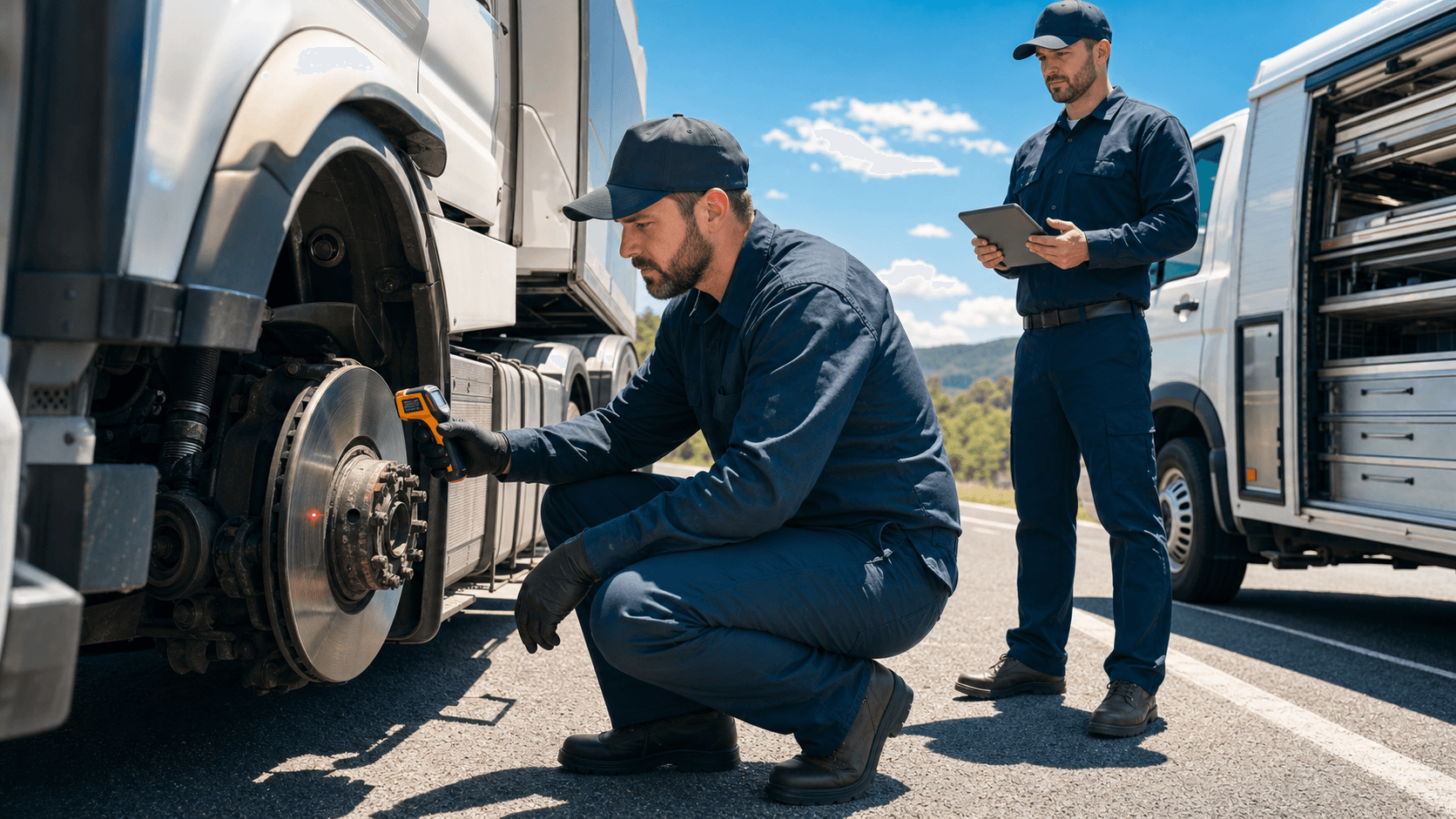
When brakes get inspected professionally, the work goes beyond pads and pedals. The review often includes:
- Checking brake calipers for proper function
- Inspecting brake lines and hoses for signs of leaks or cracking
- Testing the condition of brake fluid, which can show signs of heat damage or moisture buildup
- Looking at rotor condition and making sure there is no warping or uneven surface contact
Even the best drivers cannot spot these issues while on the job. That is why we see value in having each vehicle checked by someone who knows what overheating can do to brake parts that experience pressure every mile of the day.
Prevention Beats Problems Every Time
Brake problems do not fix themselves. Once wear begins, it only gets worse with more driving, more heat, and more deadlines to meet. Fleet vehicles in Raleigh, North Carolina, already face enough challenges on the road. High summer heat only adds another layer of stress.
Getting ahead of brake problems before they lead to failures can save time and help everyone on your team stay focused on moving forward. Inspections during the hottest months give a clearer picture of what is happening behind each wheel. In a city with long stretches of sun and heat, that extra attention keeps drivers safer and schedules running smoothly.
Not every issue makes noise, and not every warning shows up on the dashboard. But when you know what to watch for, and when to bring in support, it becomes easier to stay on top of what matters most. Brake systems do a lot of the hard work. Taking care of them in the heat is just part of keeping your vehicles ready for the road ahead.
Regular maintenance and careful observation during summer may reveal subtle changes that indicate impending brake issues. This proactive approach not only extends the equipment life but also minimizes potential disruptions during peak operational periods. Embracing these preventive measures supports both safety and reliability for every fleet vehicle.
Staying ahead of brake wear can be the difference between a routine stop and unexpected downtime. Raleigh, North Carolina, summers put brakes to the test, making regular inspections necessary. If you are noticing slowing stops or uneven braking, it might be time to schedule a check. For reliable brake service in Raleigh, NC, we are here to help keep your fleet safe and moving, so contact East Coast Fleet Service to schedule mobile maintenance that fits your schedule.