
How Smart Fleet Inspections Win More Raleigh Contracts
Winning a new contract around Raleigh often comes down to one question: can your fleet perform every single day without surprises? Many bids stall out when buyers start asking for safety records, maintenance logs, and proof that every unit is ready to roll. If your inspections are loose or your paperwork is scattered, a strong price and a good reputation may still not be enough.
This is where organized, professional fleet inspections make a real difference. Municipalities, utilities, construction companies, and big campuses in the Raleigh area are putting more weight on safety and uptime. They do not just want promises; they want proof. When your inspections are consistent, documented, and tied to preventive maintenance, your bid stands out as lower risk and easier to trust.
Across North Carolina, more RFPs now spell out inspection and readiness requirements. That includes clear safety standards, evidence of regular checks, and service records that show you take fleet readiness seriously. Treating inspections as a core part of your bid strategy, not just a legal box to check, can separate you from competitors with similar pricing.
As a mobile service provider, we see how much easier it is for fleets when inspections and maintenance come straight to their yard. When every truck, van, or piece of equipment is contract-ready all year long, you are not scrambling the night before a site visit or kickoff meeting.
What Raleigh Contract Buyers Expect From Your Fleet
Raleigh-area buyers put a lot of detail into their bid language around fleet inspections. In many RFPs, they are looking for a defined program they can evaluate, not a general statement that vehicles are "well maintained." Requirements often include:
- Written safety standards your fleet must meet
- Minimum inspection intervals for all units in service
- Proof of preventive maintenance on a set schedule
- Organized documentation that can be reviewed on request
This level of detail shows up most often with buyers that have high visibility, strict safety oversight, or complex operations. That includes:
- City and county departments that run public projects
- State agencies with strict safety rules
- Universities and hospitals with busy campuses
- Large private employers with strong safety cultures
At the core, these buyers are trying to control risk. They compare vendors on more than hourly rates or unit pricing, and they want reassurance that your fleet will not become the reason a project falls behind or a service level gets missed. Their evaluation typically comes down to concerns like the risk of missed deadlines from breakdowns, any history of safety incidents or roadside failures, and how well your inspection and maintenance process is documented.
A clear inspection program, with dated reports and repair records, gives them confidence. It tells them you have a system, not just good intentions. That lowers their perceived risk and can help tip a close decision in your favor when bids are otherwise similar.
Key Fleet Inspections That Protect Your Bids and Your Drivers
A strong inspection program covers more than a quick walk-around. Professional fleet inspections focus on two big areas: safety and reliability.
On the safety side, inspections usually include:
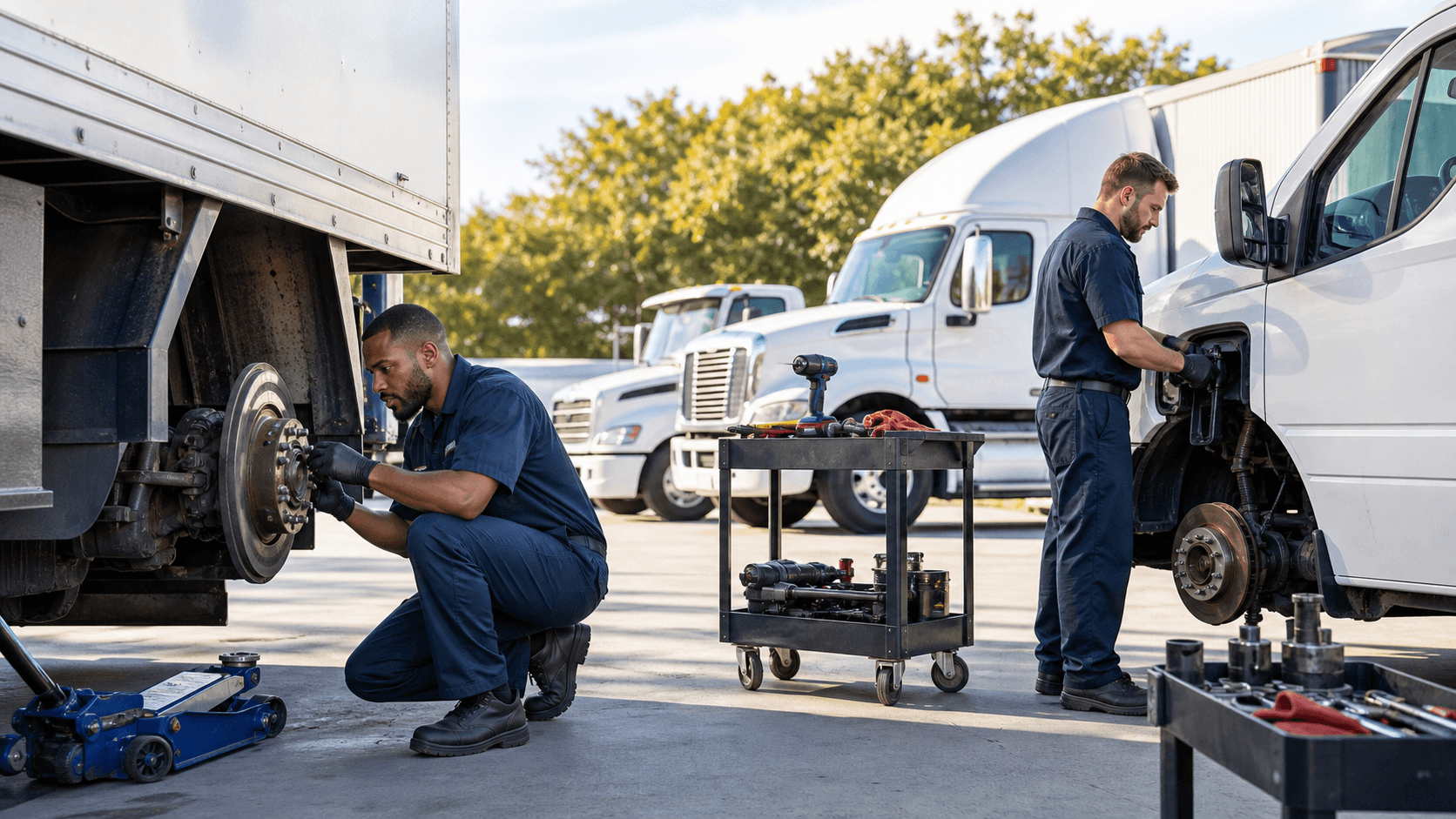
- Brakes, including pads, lines, and warning signs of wear
- Steering and suspension for control and stability
- Lights, mirrors, and signals so your units are fully visible
- Emergency equipment like triangles and fire extinguishers
- Compliance with DOT standards where they apply
For operational reliability, inspections cover parts that often cause roadside trouble:
- Batteries, terminals, and starting systems
- Belts and hoses that can crack, slip, or leak
- Fluids and cooling systems that keep engines from overheating
- Tires, tread depth, air pressure, and alignment
Around late summer in Raleigh, fleets often face heavy rain, heat, and busy project schedules. That combination puts extra pressure on vehicles and makes certain checks even more important. In practice, this means paying closer attention to tire tread and condition for wet roads and work sites, confirming battery strength as temperatures swing and trucks run longer days, and verifying cooling systems that have worked hard during the hottest months.
Pre-season and pre-bid inspections help you find issues before they delay a project start, cause penalties for missed service windows, or show up in a surprise compliance check. They also protect the people who drive your units every day, which is something insurance providers and contract reviewers are looking at more closely now.
Turning Inspection Data Into Bid-Ready Documentation
Many companies do some level of checking on their trucks, but where they fall short is in how they document it. The problem is that contract reviewers and auditors never see what is in your head; they only see what you can show on paper or on screen.
Strong inspection documentation usually includes:
- Time-stamped checklists for each unit
- Technician notes about anything found during the inspection
- Clear repair recommendations and dates when work was completed
- Parts used and follow-up plans when needed
- Photos when they help explain a problem or repair
When your inspection records are consistent, they do more than prove you checked a few boxes. They make it easier to speak directly to contract requirements and performance expectations, and they give you support for the claims you make in your bid. Over time, that documentation helps you show compliance with safety language in contracts, point to fewer breakdowns and incidents over time, and back up claims about uptime, response times, and reliability.
It also helps to organize records in a way that lines up with how you work. Some fleets group reports by:
- Unit number or asset tag
- Route or region
- Contract or customer
That way, if a Raleigh procurement team or safety officer asks for proof, you can pull exactly what they want without digging through stacks of paper. Quick, clear answers during a site visit or pre-award review send a strong message about how you run your operation.
On-Site Mobile Inspections That Keep Your Fleet Contract-Ready
Keeping every unit inspection-ready can be tough if you are always sending trucks to a shop and juggling driver schedules. Mobile, on-site fleet inspections help solve that problem by bringing the work to your yard instead.
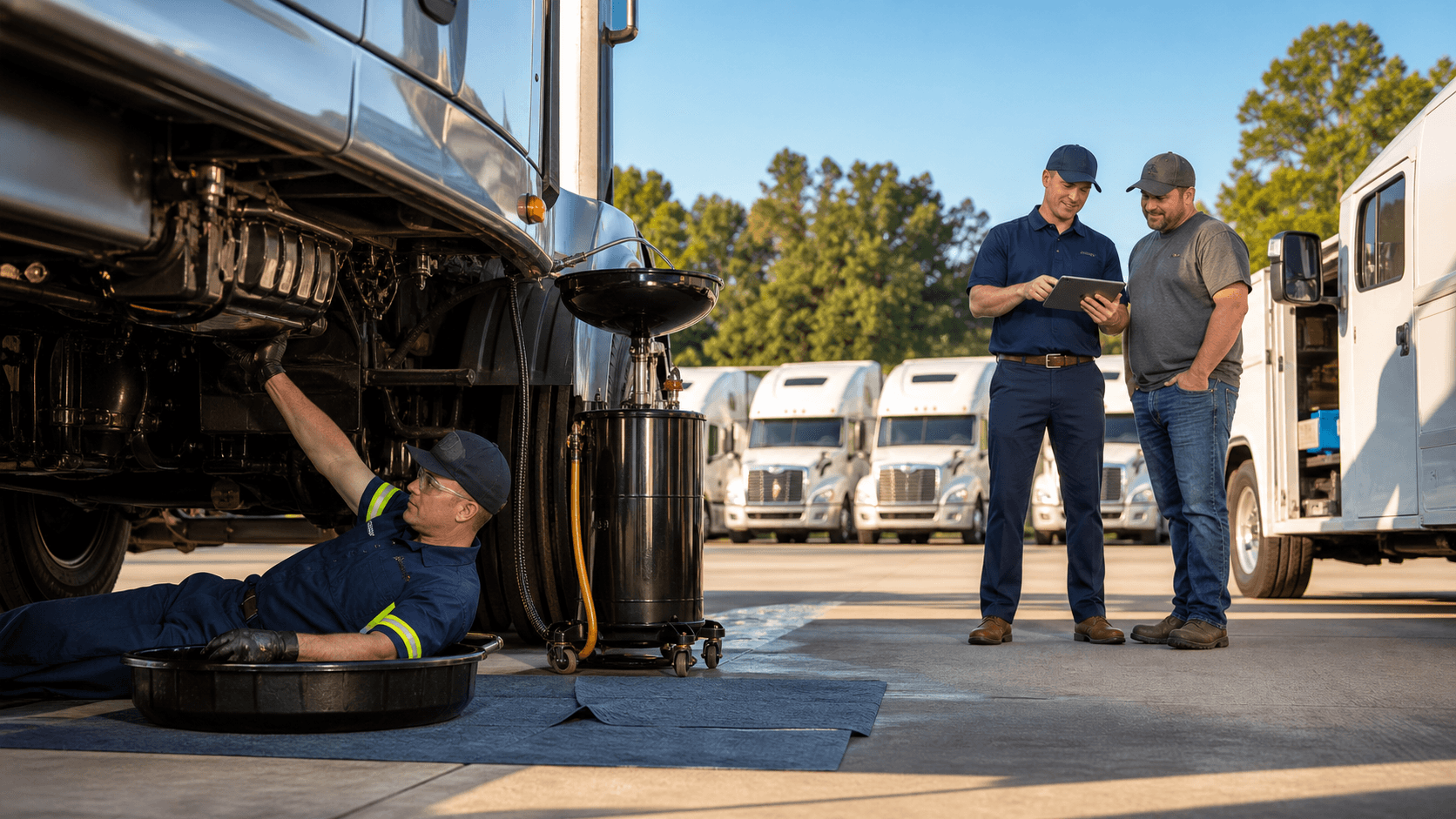
With on-site service, your team can plan inspections around operating hours and contract needs. A typical visit can include:
- Full safety and reliability inspections
- Oil changes as part of preventive maintenance
- Tire checks or replacements when needed
- Brake and battery service handled right where your units park
This is especially helpful for fleets that support:
- Early morning deliveries and routes
- Construction projects with set start times
- Service contracts that require 24/7 response
When you build a routine schedule of mobile inspections, you get into a steady rhythm that supports both bidding and day-to-day performance. It means longer vehicle life because problems get fixed early, more predictable operating costs, and fewer surprise failures during your busiest contract periods.
Instead of rushing to fix issues when a buyer is already asking questions, you stay ready all year.
Get Your Fleet Inspection Plan in Place Before Your Next Bid
A good next step is to look at your current inspection process with a hard eye. Ask yourself:
- Does every unit have a recent, complete inspection report?
- Is there a clear schedule for future inspections?
- Do our records match what Raleigh-area bids usually ask for?
If gaps show up, some fleets build a simple pre-bid readiness checklist so the work gets done before the bid deadline pressure hits. That checklist often includes:
- A full inspection cycle for all units that may serve the contract
- Fast correction of any high-priority safety or reliability issues
- A clean packet of inspection and maintenance records to share during the bid or negotiation
For fleets across Raleigh and the rest of North Carolina, getting support from a mobile partner can make this much easier. An on-site assessment can uncover gaps in your current process and help you set up an inspection and preventive maintenance plan that fits how your business really runs. When your fleet is professionally inspected, documented, and maintained right at your location, you lower downtime, build buyer confidence, and give your company a stronger shot at winning and keeping profitable Raleigh contracts.
Keep Your Fleet Safe, Compliant, and On the Road
Stay ahead of unexpected breakdowns and costly downtime by scheduling regular fleet inspections with East Coast Fleet Service. Our mobile technicians come to you, thoroughly checking your vehicles so issues are caught early and your drivers stay safe. If you are ready to set up a service visit or have questions about your specific fleet needs, contact us today.