Turn Fleet Inspections Into a Measurable Profit Center
Fleet inspections can feel like one more box to check. Drivers rush through DVIRs, trucks still break down, and the numbers never quite make it to your budget meeting. Yet the fleets around Raleigh that move from "fix it when it breaks" to "catch it before it fails" see fewer road calls, fewer missed routes, and far less stress on dispatch.
That change does not start with buying more tools or adding more forms. It starts with treating fleet inspections as a line on the profit-and-loss sheet, not just a safety rule. Right now, with tighter delivery windows, higher parts prices, and driver shortages, being able to show clear ROI from DVIRs and preventive maintenance is a big advantage.
Our goal here is simple. We want to give Raleigh fleet managers a clear, numbers-driven way to turn inspection and DVIR data into dollars. When you can point to labor hours saved, parts spend controlled, and downtime avoided, it gets a lot easier to push for better inspections and on-site service.
What DVIR and PM Data Are Really Worth to Your Fleet
Most fleets already do DVIRs because they have to. The problem is that many of those forms are written just to stay compliant, not to help anyone make decisions. They are full of notes like "OK" or "needs attention," which do not tell your maintenance team what to do or how urgent it is.
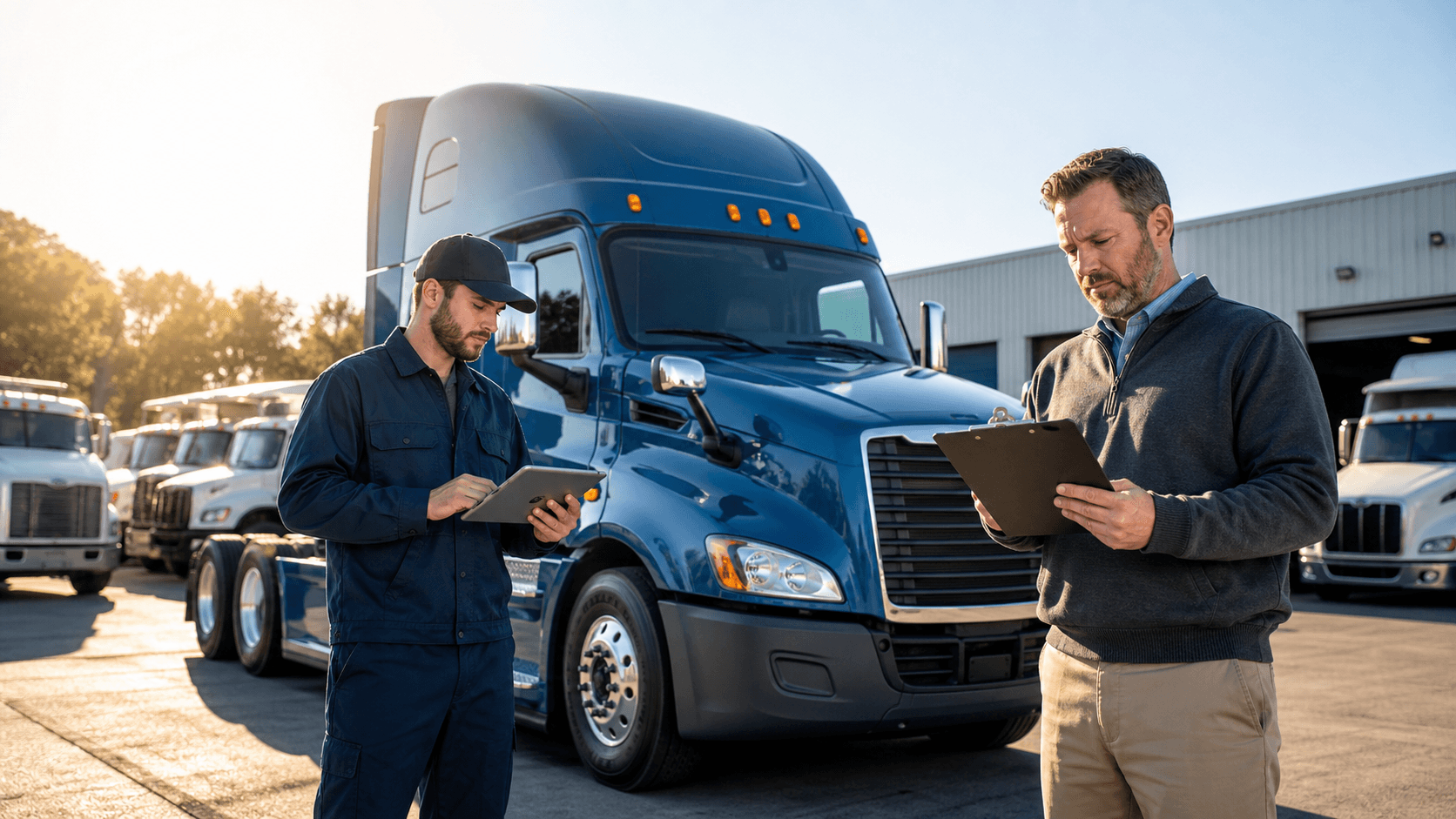
Inspection data starts to earn its keep when it is clean and consistent. That means DVIRs and preventive maintenance reports should include things like:
- Standard defect codes instead of free-text entries
- Simple severity tags, such as minor, major, out of service
- Odometer or mileage and date
- Asset ID, trailer number, or unit number
From there, you can tie those findings to:
- DVIR defects that led to repairs
- PM inspection findings from regular services
- Work orders and repair notes
- Labor hours spent per repair
- Parts spend for each asset
- Downtime, both planned and unplanned
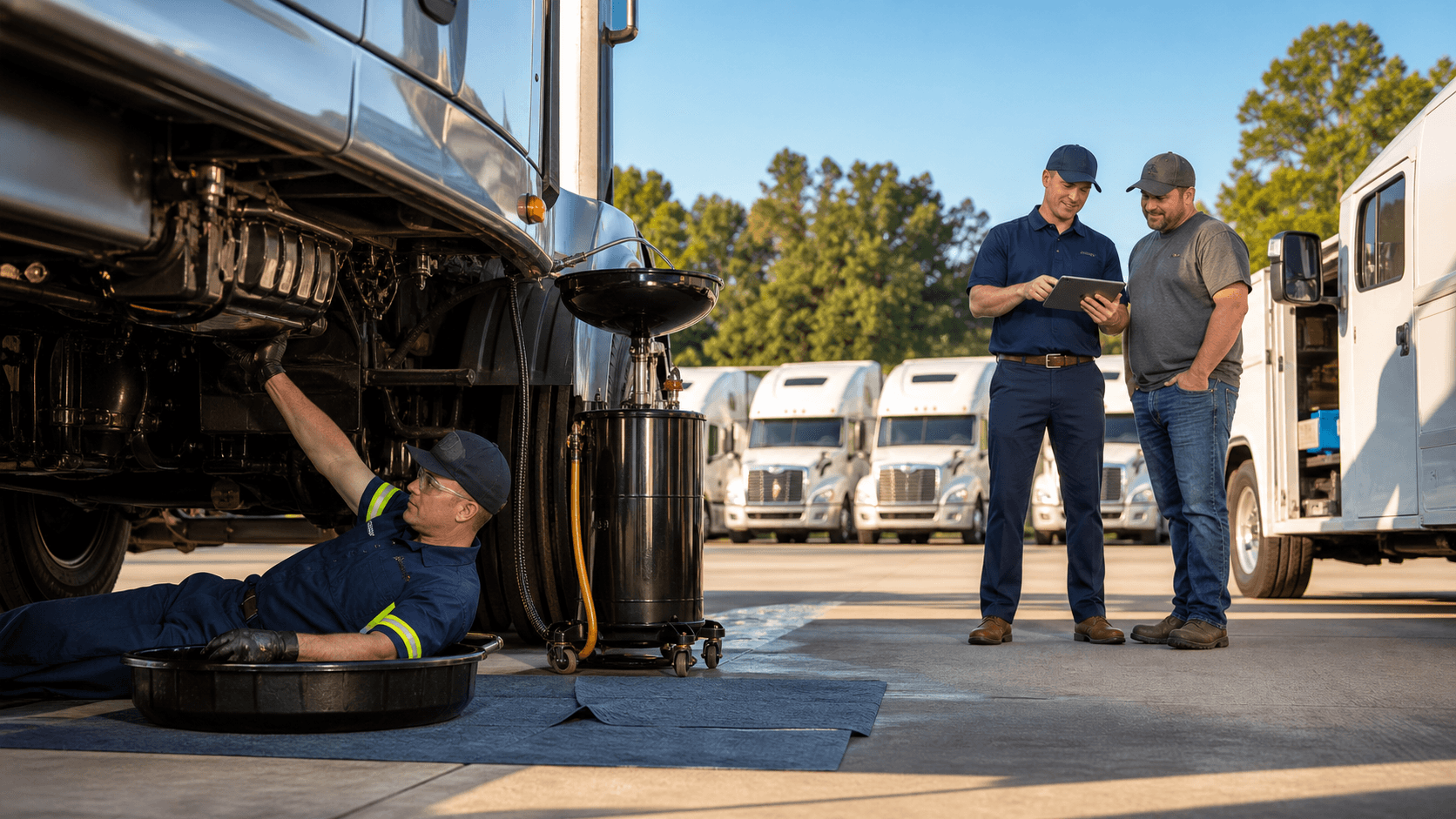
Mobile, on-site fleet inspections help this data look a lot cleaner. When a tech sees trucks at your yard in Raleigh or around the Triangle, they can:
- Inspect more units in one visit
- Close DVIR defects while the driver is still nearby
- Record accurate mileage and conditions right at the home base
That tighter loop means fewer "mystery" issues and more clear records you can use in your ROI work.
Building a Simple Cost-Savings Framework for Inspections
To turn inspections into hard savings, we like to keep the math simple. Think in three main buckets:
- Labor efficiency, hours your own staff does not have to spend
- Parts optimization, avoiding expensive failures and waste
- Downtime avoided, keeping revenue-producing trucks on the road
Here is a basic formula set you can plug into a spreadsheet:
- Labor ROI = (Shop labor hours avoided × hourly labor rate) minus mobile service cost
If mobile inspections prevent your own team from spending hours on road calls or last-minute repairs, that time can go back to planned work.
- Parts ROI = (Estimated failure cost minus actual repair cost) over a set period
Compare what a failure would usually cost you, including damage to related parts, to what you actually spent fixing the issue early when the inspection flagged it.
- Downtime ROI = (Hours of downtime avoided × hourly revenue or value per truck)
Use your own estimate of what one working hour from a truck is worth. Then multiply by the hours of downtime you believe you avoided thanks to early repairs.
To make this real for your Raleigh fleet, you can:
- Export DVIR data for a quarter
- Match defects to PM and repair orders
- Tag which repairs started as inspection findings
- Add labor hours, parts cost, and any downtime tied to each
Then, look at those totals per unit or per route. Even rough numbers will help you see where inspections are protecting your bottom line.
Turning DVIR and PM Findings Into Real Dollar Savings
Once you have inspection data flowing, the next step is to sort it into buckets that match risk and cost. A simple way to do that is to reclassify DVIR and PM findings into:
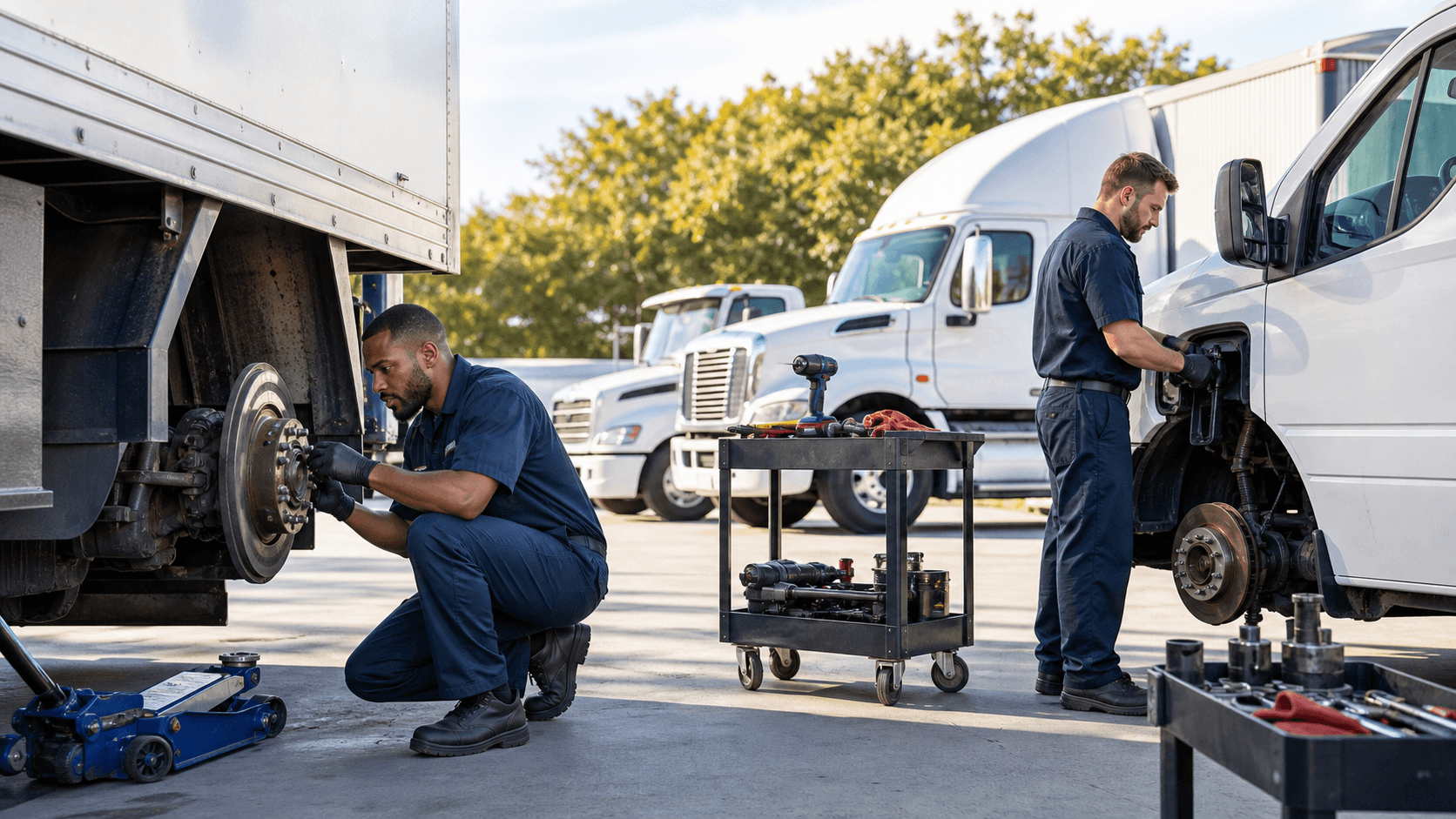
- Safety-critical, such as brakes and steering
- Performance, such as tires and alignment
- Reliability, such as batteries and electrical items
Safety-critical issues help you avoid accidents and out-of-service events. Performance items affect fuel burn, tire life, and driver complaints. Reliability items are often behind no-starts and roadside calls.
Around North Carolina, especially when the weather is hot and humid, we see some common patterns:
- Cooling system problems, like weak hoses or small leaks
- Tire damage and underinflation that leads to blowouts
- Battery and charging problems that start as slow cranks or dim lights
Many of these begin as "minor" notes in DVIRs or PM reports. For example, borderline tires that still pass a quick check, or a battery that shows some weakness but still starts the truck.
When a Raleigh last-mile or delivery fleet uses PM inspection data to act early, they might:
- Replace borderline tires during a planned on-site visit
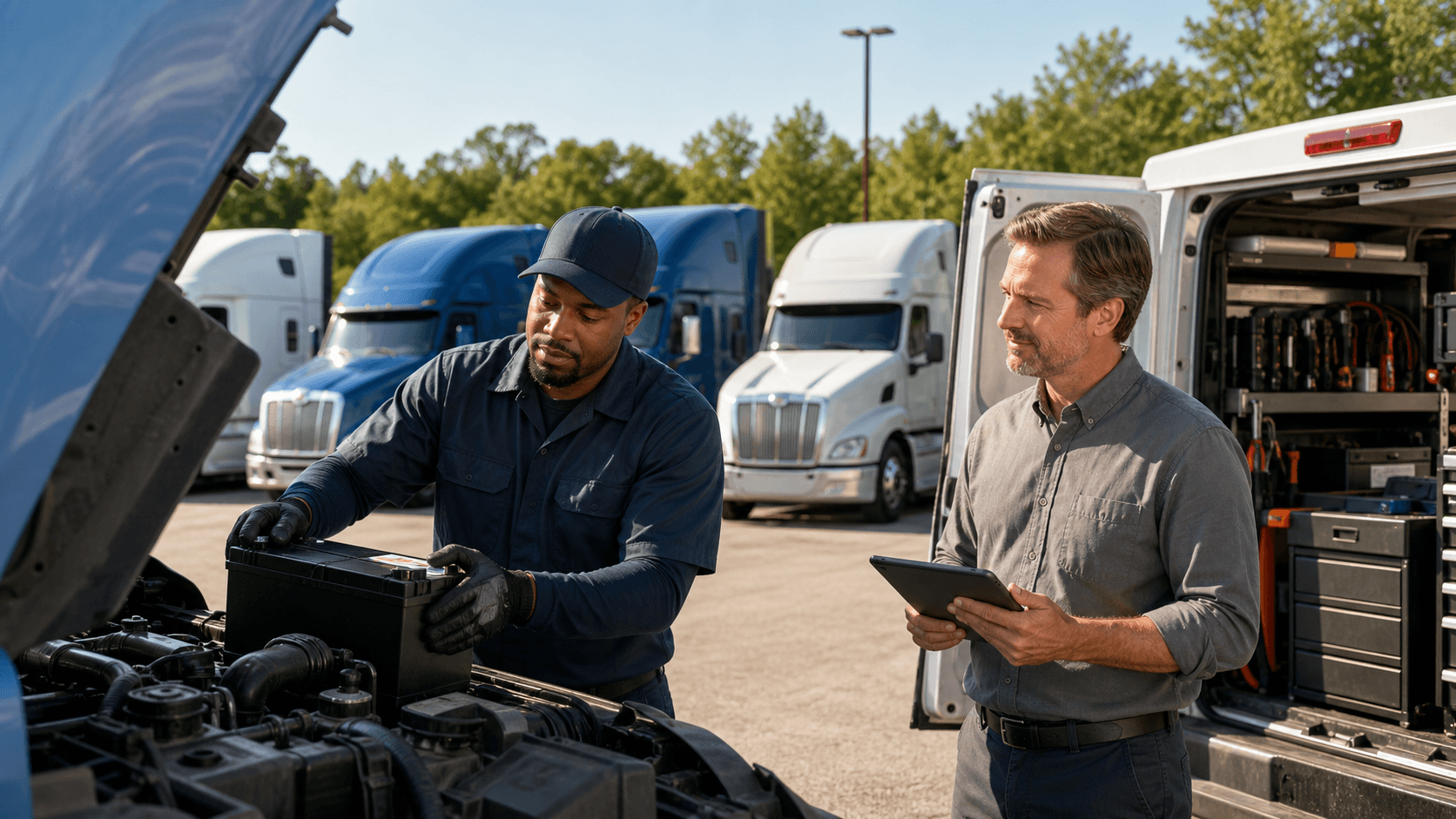
- Swap weak batteries in the yard before they cause no-starts
- Fix small coolant leaks before they overheat on the beltline
On paper, those look like simple repairs. In your cost framework, they also avoid:
- Roadside service calls and tow fees
- After-hours labor premiums
- Penalties for missed stops or rescheduled deliveries
That gap between "what it cost to fix early" and "what it would have cost on the road" is your parts and downtime ROI.
Measuring Downtime Avoided on Raleigh Roads
Downtime is more than a line that says "unit down." For most fleets, it means:
- A truck not working during business hours
- A driver waiting or sent home
- Substitute rentals or borrowed trucks
- Routes that need to be reworked
- Customer penalties or lost loads
To estimate downtime avoided, compare two periods:
- Before a strong inspection and mobile PM program
- After you put disciplined fleet inspections in place
Track unplanned breakdowns in each period, how long each truck was down, and how many involved roadside help. The spread between those totals becomes a working estimate of downtime your current inspections are preventing.
Around Raleigh, there are extra time and cost factors:
- Congestion on I-40 and I-440 that slows any roadside response
- Delays getting heavy-duty service to a shoulder or ramp safely
- Busy late summer freight and construction traffic that increases risk when a truck is disabled
On-site inspections done in your yard, during off-peak hours, avoid those headaches. They allow work while trucks are parked, not when freight is already loaded and the driver is on the clock.
Put Your Inspection Data to Work With On-Site Support
If you want a simple starting point, begin with an action checklist:
- Standardize DVIR categories and defect codes
- Set inspection intervals by route type and duty cycle
- Track three numbers each month: labor hours saved, parts spend trend, and unplanned downtime events
A smart way to test your cost-savings framework is with a short pilot. Pick one slice of your fleet, such as a group of local delivery units. For 90 days, give them:
- Consistent, structured fleet inspections
- Regular DVIR reviews that close the loop with maintenance
- Scheduled mobile PM service at your yard or lot
Then compare that group to a similar set of trucks that stayed on your old pattern. Even basic numbers will help you see how much labor, parts, and downtime you are saving when inspections get the attention they deserve.
At East Coast Fleet Service, we work with commercial fleets across North Carolina to bring mobile, on-site preventive and emergency maintenance right to their locations. When Raleigh and Triangle-area fleets pair disciplined DVIRs and PM inspections with on-site service, they gain clearer data, fewer surprises, and a stronger business case for every hour spent on fleet inspections.
Keep Your Fleet Safe, Compliant, and On the Road
Reliable vehicles are the backbone of your business, and our expert fleet inspections help prevent costly breakdowns before they happen. At East Coast Fleet Service, we come to you, saving your team time while keeping your trucks in top working condition. If you are ready to schedule service or have questions about your fleet's needs, simply contact us and we will help you set up a customized maintenance plan.