Stop Bleeding Cash on Routine Oil Changes
Routine oil changes probably feel like a small line on your maintenance list, but they can quietly drain time and money from your fleet. Every trip to an off-site shop means lost hours, extra miles, and headaches for your team. When you add it all up, those "quick" visits are anything but simple.
Many North Carolina fleet managers see this every week. A truck leaves the yard for a standard oil change and does not return until hours later. While that vehicle is sitting in a parking lot, work stacks up, routes shift, and productivity slips. On-site oil change service flips that script by bringing professional service to your lot so your vehicles stay close, ready, and earning.
The Hidden Costs Lurking in Off-Site Oil Changes
Sending trucks off-site for oil changes looks easy on paper. In real life, it eats into your day in ways that are easy to miss.
Downtime That Eats Your Profits
A simple oil change at a shop might take less than an hour. But once you include everything around it, the clock keeps ticking.
Think about what is really happening:
- Drive time to and from the shop
- Waiting in line behind other customers
- Paperwork, check-in, and check-out
- Idle time while the driver waits for the vehicle
What should be a quick visit can turn into several hours of downtime. During that window, your driver is on the clock but not moving freight, visiting customers, or finishing scheduled work. If more than one vehicle is out at the same time, delays can stack up and hurt delivery windows and customer expectations.
Extra Miles, Extra Wear, Extra Risk
Every trip to a shop adds miles that do not bring in revenue. Those miles still burn fuel, add wear to tires and brakes, and push your fleet closer to the next maintenance cycle.
There is also extra risk each time a vehicle leaves the yard for a non-productive trip. More time on busy roads means more chances for:
- Traffic jams and delays
- Fender benders or other incidents
- Breakdowns on the way to or from the shop
When traffic gets heavier and daylight shorter, those risks and delays can grow. All for a service that could have been done right where your vehicles already sit.
Administrative and Scheduling Headaches
Off-site oil changes also put pressure on your office staff. Dispatchers and managers end up juggling:
- Shop appointment times
- Driver availability and hours
- Backup coverage for routes and jobs
If something shifts, the whole plan can fall apart. Missed appointments can turn into overdue oil changes, which can lead to engine trouble or questions about warranty coverage. Instead of focusing on growth and customer service, your team is stuck reworking schedules around shop hours.
How On-Site Oil Change Service Cuts Real Costs
Bringing maintenance to your yard turns oil changes from a time waster into a quiet profit saver.
Turning Downtime Into Productive Time
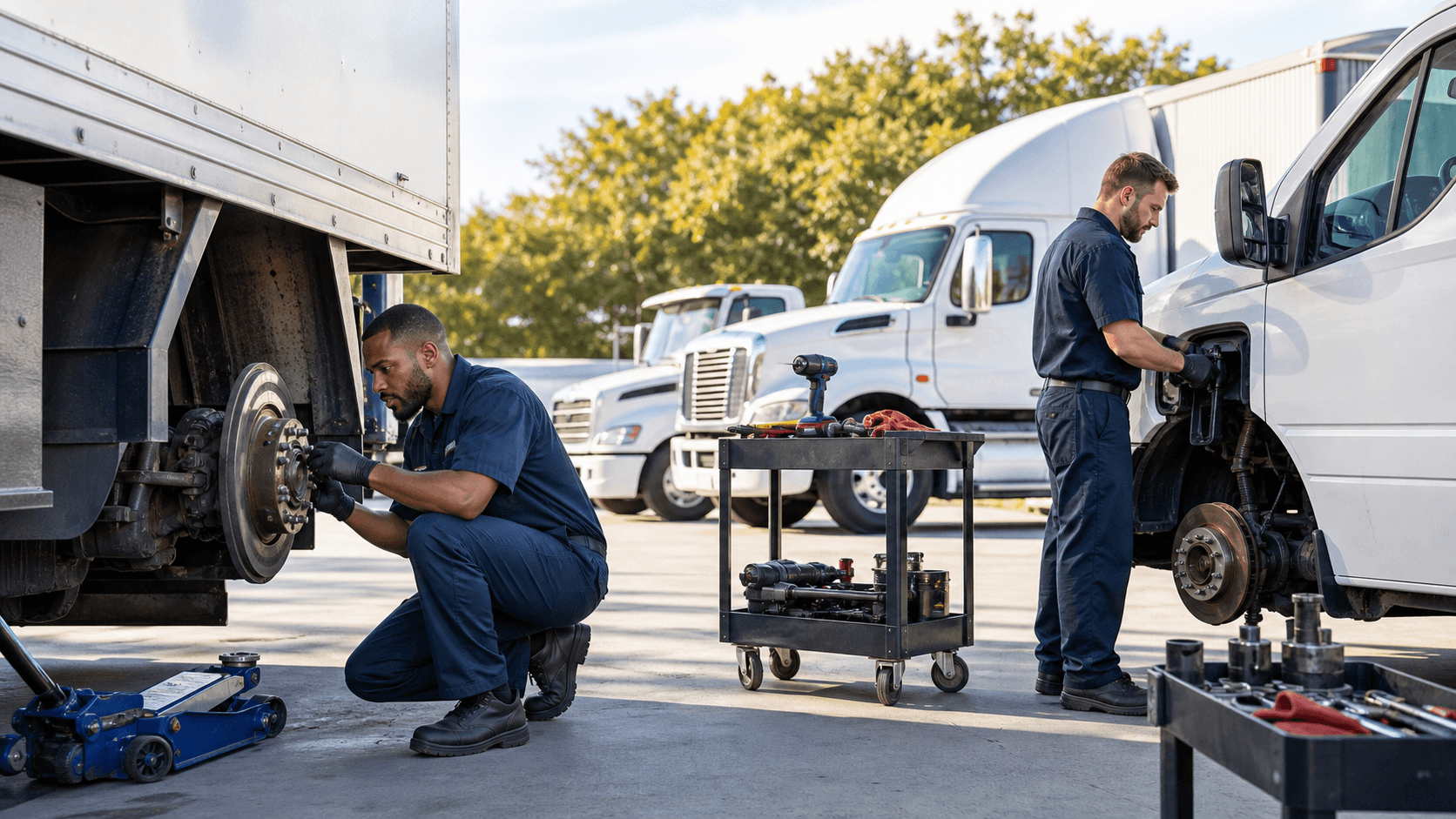
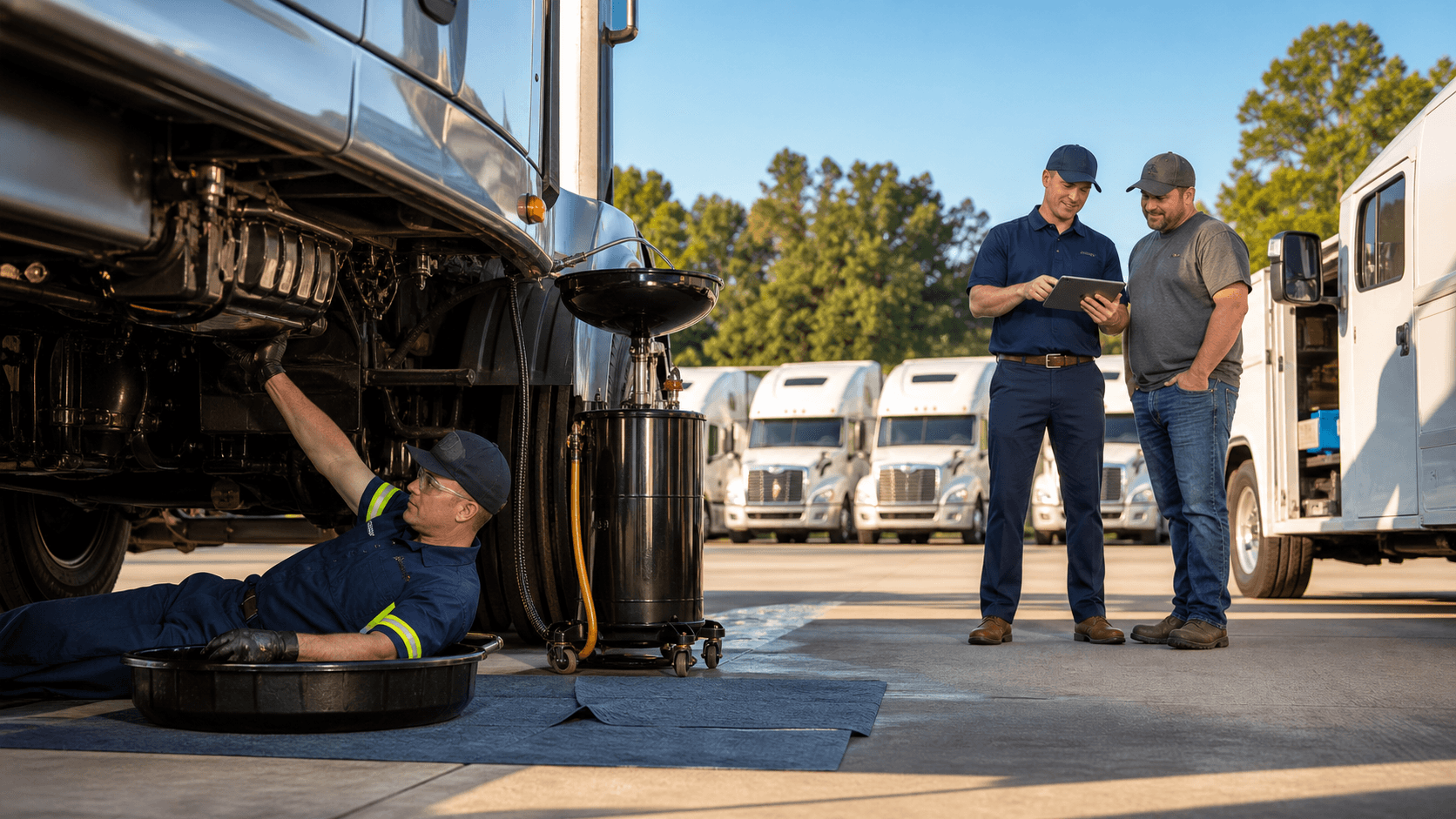
With on-site service, trucks, vans, and equipment stay parked where they belong. Technicians come to you and work while vehicles sit between shifts, during slow times, or outside normal operating hours.
That means:
- Drivers stay on route instead of sitting in waiting rooms
- Units are serviced and ready for the next shift
- Fewer interruptions to delivery schedules and service calls
Your fleet spends more time available and less time stuck at a shop, which supports better on-time performance when demand ramps up.
Lower Operating Costs and Fewer Surprises
On-site oil changes help cut several hidden costs at once. Fewer off-site trips means less fuel used for non-revenue miles and less wear on vehicles from those extra runs. Your staff also spends less time arranging rides, juggling keys, or shuttling vehicles around town.
Regular, timely oil changes help engines run cleaner and smoother, which can support better fuel efficiency and reduce the chances of major repair issues. When maintenance happens on a steady rhythm, it is easier to plan around it and keep your budget under control.
Built-in Safety and Compliance Benefits
On-site visits are a great chance to check more than just the oil. During service, technicians can also look for basic issues, like:
- Fluid leaks
- Worn or low tires
- Visible brake concerns
- Battery and cable problems
Catching those early can prevent breakdowns or safety problems later. Seasonal checks of fluids, batteries, and tires can also prepare your fleet for colder mornings, wet weather, or slick roads. Clear records of what was done and when help support compliance needs and give you a simple history if customers or inspectors ask for proof of maintenance.
Why North Carolina Fleets Rely on Mobile Maintenance
North Carolina fleets face their own mix of highway driving, local routes, and changing weather. A mobile service that understands these conditions can plan around how and where you run.
Tailored Service for Local Routes and Seasons
From long runs up and down I-40 and I-95 to local service routes across towns, traffic and weather can change fast. Heat, humidity, storms, and salt air in some areas are tough on fluids, tires, and other parts.
A local mobile team can:
- Learn your typical routes and peak hours
- Help plan service windows between your busiest runs
- Adjust visits based on seasonal traffic patterns
When you gear up for heavier fall freight, tourist traffic, school schedules, and the lead-up to the holidays, that extra planning helps keep trucks ready when you need them most.
Flexible Scheduling Around Your Operation
On-site oil changes are built around your schedule, not the other way around. You can set service plans that fit your operation, for example:
- Early morning work before trucks roll out
- Evening visits after routes are done
- Weekend service when your lot is fullest
Recurring appointments help build a steady maintenance rhythm so you are not rushing vehicles to a shop at the last minute. Mixed fleets benefit especially, because box trucks, service vans, pickups, and other units can be handled in one coordinated visit.
Consistent Quality Without the Shop Hassle
Some fleets worry that mobile service might feel like a shortcut. In reality, mobile maintenance brings professional tools, quality oils and filters, and trained technicians directly to your lot.
A good on-site program will:
- Protect your property and keep work areas clean
- Handle used oil and filters responsibly
- Follow manufacturer guidelines for fluids and service intervals
When every vehicle is serviced the same way, with the same standards, you get more consistent results. That consistency helps reduce preventable breakdowns and keeps your maintenance records clear and simple.
Simple Steps to Start Saving with On-Site Oil Changes
Switching to on-site oil changes starts with understanding what off-site trips are really costing you today.
Assess Your Current Maintenance Costs
Take a quick look at each oil change visit and note:
- Number of vehicles going off-site each week or month
- Total time from leaving the yard to returning
- Driver hourly rates for that time
- Fuel used and miles driven to and from the shop
- Any overtime or rental units used to cover while trucks are out
Then add in the missed revenue when a vehicle is out of service during peak hours. This gives a clearer picture of the "true cost" of each off-site oil change. It also helps you see where on-site service could fit into off-peak windows with the least disruption.
Build an On-Site Maintenance Plan With East Coast Fleet Service
Once you know your current pattern, you can design a plan that works better. East Coast Fleet Service provides mobile, on-site fleet maintenance across North Carolina, including oil changes, tires, brakes, batteries, and inspections, all done right at your location.
A typical setup can include:
- An initial review of your routes, fleet size, and operating hours
- Recommended service intervals based on vehicle type and use
- A set schedule for visits so your team knows what to expect
- Bundled services during each visit to limit repeat interruptions
This kind of program keeps your vehicles where they belong, either on your lot or on the road, instead of tied up in a shop line. Over time, those saved hours and smoother maintenance cycles help protect uptime, safety, and profitability for your entire fleet.
Keep Your Fleet Moving With Convenient On-Site Service
Reduce downtime and keep your vehicles on the road with our reliable on-site oil change service. At East Coast Fleet Service, we come to your lot, work on your schedule, and help you stay ahead of maintenance issues before they become costly repairs. Reach out today through our contact page so we can customize a service plan that fits your fleet's needs.