
Keeping Raleigh Construction Fleets Moving All Winter
Winter planning for construction fleets around Raleigh is not about snow drifts and blizzards. It is about cold, damp mornings, big temperature swings, and crews waiting on machines that will not start. When trucks and heavy equipment struggle to fire up, the whole job site slows down, from concrete pours to material deliveries.
With smart planning, most of those problems can be stopped before they ever hit the yard. By focusing on cold-start prevention, battery load testing, and on-site preventive maintenance, fleets can keep early-morning starts on track, protect tight schedules, and avoid surprise breakdowns that eat into profit and crew morale.
How Raleigh Winters Impact Construction Fleet Reliability
Central North Carolina winters can be tricky for diesel trucks and heavy equipment. We get freeze-thaw cycles, cloudy damp days, and the occasional ice event. It might be warm in the afternoon, then drop below freezing overnight, and that back and forth is hard on engines and electrical systems.
Those overnight drops affect several parts of a fleet:
- Engine oil thickens, so engines crank slower and work harder to start
- Diesel fuel can start to gel and plug filters, especially in exposed equipment
- DEF systems can freeze or trigger faults if components are weak
- Air systems can pick up moisture, leading to frozen valves and lines
On a construction site, that can mean hard starts or no-starts on units that ran fine the day before. If trucks cannot build air, they do not move. If a loader will not start, crews stand around waiting, while concrete trucks, haulers, and subcontractors are all on the clock.
That downtime adds up quickly through:
- Missed or rescheduled concrete pours
- Late deliveries and material shortages
- Overtime pay for crews stuck catching up
- Penalties or pressure on time-sensitive projects
Good winter planning is not just about equipment health. It is about protecting the schedule your customers and crews are counting on.
Preventing Cold-Start Failures Before the First Freeze
The best time to fix winter starting problems is long before the first real cold snap. A focused pre-winter check on engines and fuel systems can catch small issues that would turn into big headaches on a frosty morning.
Key pre-winter checks include:
- Verifying glow plug and intake heater operation on diesel units
- Inspecting block heaters, cords, and outlets where they are used
- Checking coolant strength, level, and condition for proper freeze protection
- Inspecting fuel filters and replacing any that are borderline
- Planning winter fuel additive use for units that sit outside
Starting reliability is also about electrical and air systems. Cold weather puts extra strain on batteries and cables, and moisture in air systems can freeze.
Best practices include:
- Inspecting batteries, cables, and terminals for corrosion and damage
- Confirming the correct engine oil viscosity for expected low temps
- Checking air dryers and draining air tanks so moisture does not freeze
- Making sure key units reach full air pressure quickly and consistently
For Raleigh fleets, it helps to work off a calendar-based winterization plan. That might look like:
- Early fall: full pre-winter checks on engines, fuel, cooling, and air systems
- Staggered appointments so multiple critical units are not down together
- Prioritizing high-usage trucks, on-road haulers, and key job site equipment
A planned approach keeps work moving and avoids the scramble that happens when the first real cold morning hits and half the yard struggles to start.
Winter Battery Load Testing That Stops Surprise No-Starts
Cold weather is unforgiving when it comes to weak batteries. A battery that seems fine on a mild morning can leave a truck dead at the job site when the temperature drops. Lower temps reduce available cranking power, while heaters, lights, and blowers all pull extra amps.
Battery load testing is one of the most effective ways to prevent those surprise no-starts. Proper testing goes beyond a quick voltage check and should include:
- Confirming state of charge with the right test equipment
- Applying a load at the proper amperage to see real-world performance
- Verifying alternator output and charging voltage under load
- Inspecting terminals, grounds, and cables for corrosion and voltage drop
A smart winter battery strategy for fleets in Raleigh typically includes:
- Scheduled fall load testing on every truck and key piece of mobile equipment
- Proactive replacement of borderline batteries based on age and test results
- Standardizing group sizes and preferred brands where possible
- Keeping a small stock of ready-to-go replacements for field swaps
When you know which batteries are strong and which are on their last leg, you avoid guessing on a dark, cold job site morning.
On-Site PM Scheduling for Raleigh Job Sites
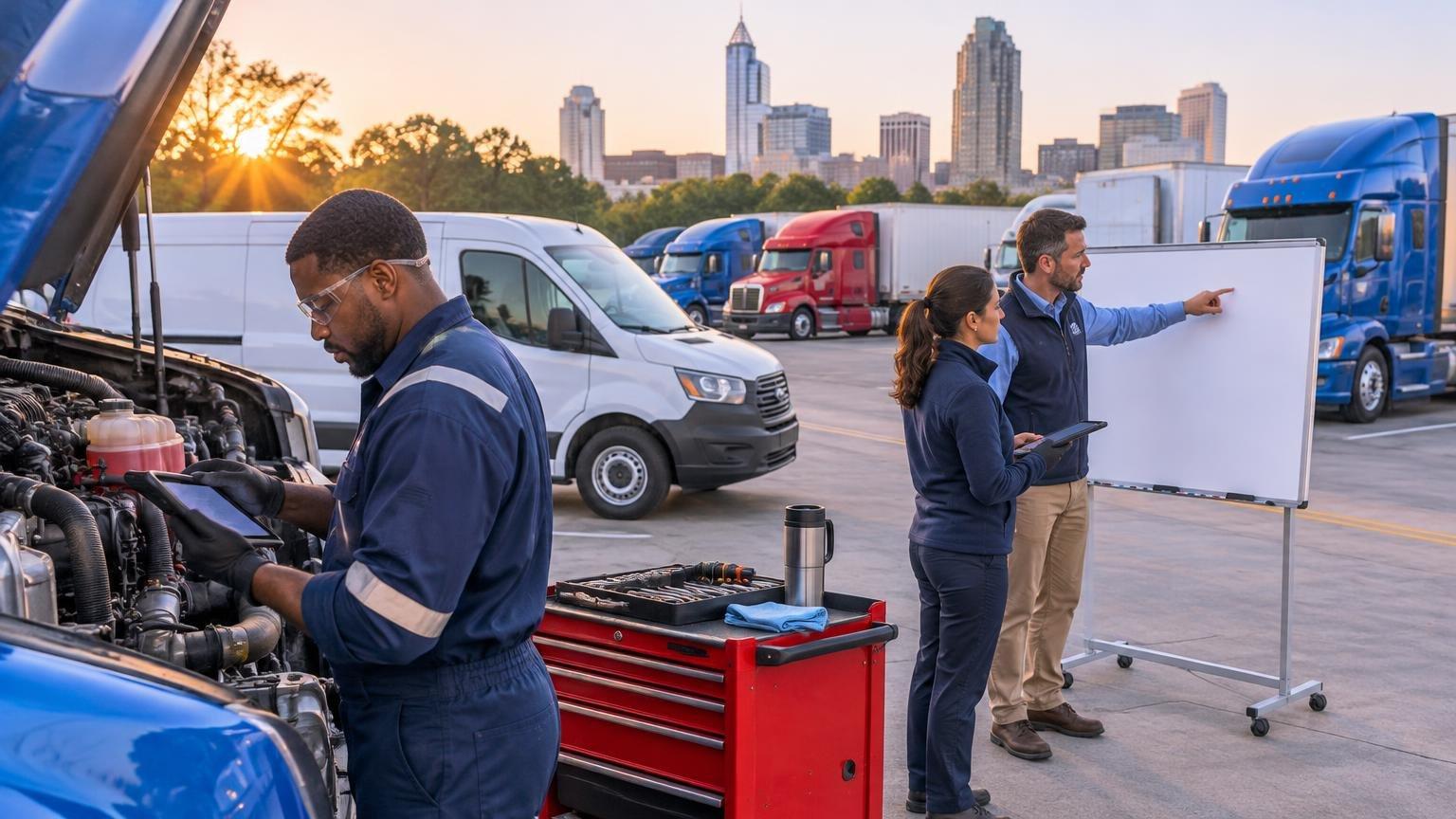
Preventive maintenance does the most good when it fits your work, not the other way around. For construction fleets, that often means bringing service to the job site or yard instead of hauling units back and forth to a shop.
On-site PM has clear benefits:
- Less unproductive travel time for trucks and operators
- Service done where units already are, including remote job sites
- Reduced idle downtime during the workday
A winter PM schedule should be built around project timelines and crew hours. Fleet managers can:
- Plan PMs during off-shifts, evenings, or weekends when units are parked
- Rotate units through service so there is always coverage for key tasks
- Prioritize equipment assigned to remote, muddy, or hard-to-access locations
Winter-focused PM tasks that are ideal for on-site service include:
- Engine oil and filter changes with the right winter-weight fluids
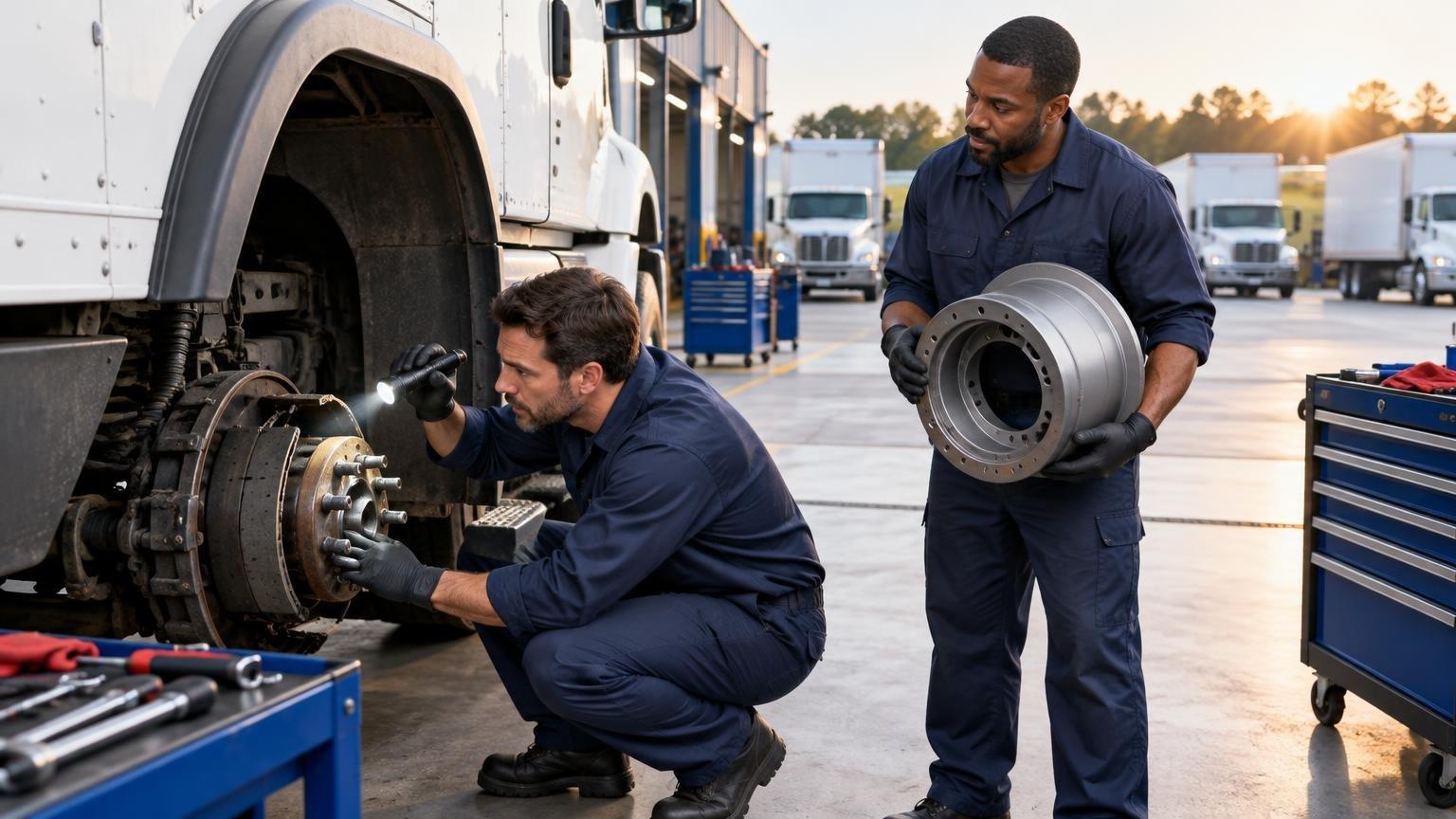
- Brake inspections and adjustments, especially on on-road trucks
- Air dryer checks and air line inspections to prevent freeze-ups
- Lighting, marker light, and headlight checks for shorter days
- Topping off winter-rated washer fluid and DEF
Keeping PM work on site keeps your people and your equipment where they earn money, not sitting in a waiting room or parked at a shop.
Building a 24/7 Winter Support Plan for Raleigh Fleets
Even with strong preventive work, winter has a way of finding weak spots. That is why a solid plan includes both proactive service and dependable emergency support.
A complete winter support plan with a mobile fleet partner usually covers:
- 24/7 roadside and job site response for breakdowns
- On-site diagnostics to track down no-start and check engine issues
- Jump-starts and battery swaps for failed or drained batteries
- Fuel system support, including filter changes and thawing when needed
- Minor repairs done right at the yard or job site when safe and practical
For construction companies across central North Carolina, working with a local provider of fleet service in Raleigh that understands our weather patterns and common equipment types can make a big difference. When a cold snap hits or an ice event surprises everyone, you want support from a team that already knows your fleet, your work sites, and your priorities.
Locking in a winter plan before temperatures drop, then backing it up with 24/7 mobile help, gives your crews confidence and keeps projects moving, even on the coldest mornings. East Coast Fleet Service focuses on that kind of support, bringing mobile maintenance, thoughtful scheduling, and round-the-clock roadside service together for construction fleets that need to stay productive all winter.
Keep Your Fleet On The Road And Earning
If you are ready to cut downtime and keep your trucks working, our fleet service in Raleigh brings expert technicians directly to your yard or job site. At East Coast Fleet Service, we handle inspections, maintenance, and repairs on your schedule so your team can stay focused on customers. Tell us what your fleet needs and we will build a service plan that fits your routes, equipment, and budget. Have questions or need urgent support today? Contact us so we can get you on the calendar.