
Turn Fleet Inspections Into Fewer Breakdowns and Road Calls
Fleet inspections are supposed to stop breakdowns, not just create more paperwork. Many fleets in North Carolina get regular DVIRs and PM inspection reports, yet, the same brake, tire, and battery failures keep happening on the side of the road. The information is there, but it never flows through a clear repair plan.
The real problem is not the inspections. It is what happens after the inspection is done. When findings do not move into scheduled repair slots, they turn into road calls, missed deliveries, overtime for drivers, and after-hours repair headaches. Safety risk and driver frustration go up while uptime drops.
In this article, we walk through a simple, repeatable workflow that turns DVIRs and PM reports into real repair work. We also explain how to track the drop in road calls so you can prove the impact. As a mobile, on-site maintenance provider serving fleets across North Carolina, we follow this kind of process every day to help keep fleets road-ready, especially during busy summer hauling season.
Build a Single Stream for All Inspection Findings
The first roadblock is scattered information. We see it all the time:
- DVIR books stuffed in cab pockets
- Emailed PM reports sitting in the inboxes
- Notes on a shop whiteboard
- Texts and calls from drivers about "weird sounds"
When issues are spread across different places, things slip through the cracks. A single source of truth for fleet inspections makes everything easier. That means one place where every DVIR defect and PM finding is logged with at least:
- Unit number
- Date
- Severity level
- Category, like brakes, tires, electrical, body, or fluids
How that looks depends on your fleet size:
- Small fleets can use a simple shared spreadsheet or form. The key is that every DVIR and PM note gets entered the same way.
- Growing fleets may want basic maintenance software that accepts driver DVIR entries and photos from a phone.
- Larger fleets often tie ELD or telematics inspection tools into a maintenance system.
Driver compliance is a big piece of this. Drivers need to know exactly what a "good" DVIR looks like, including clear defect descriptions, photos when helpful, and an urgency code. This is even more important during the busy summer season, when it is tempting to rush and skip details.
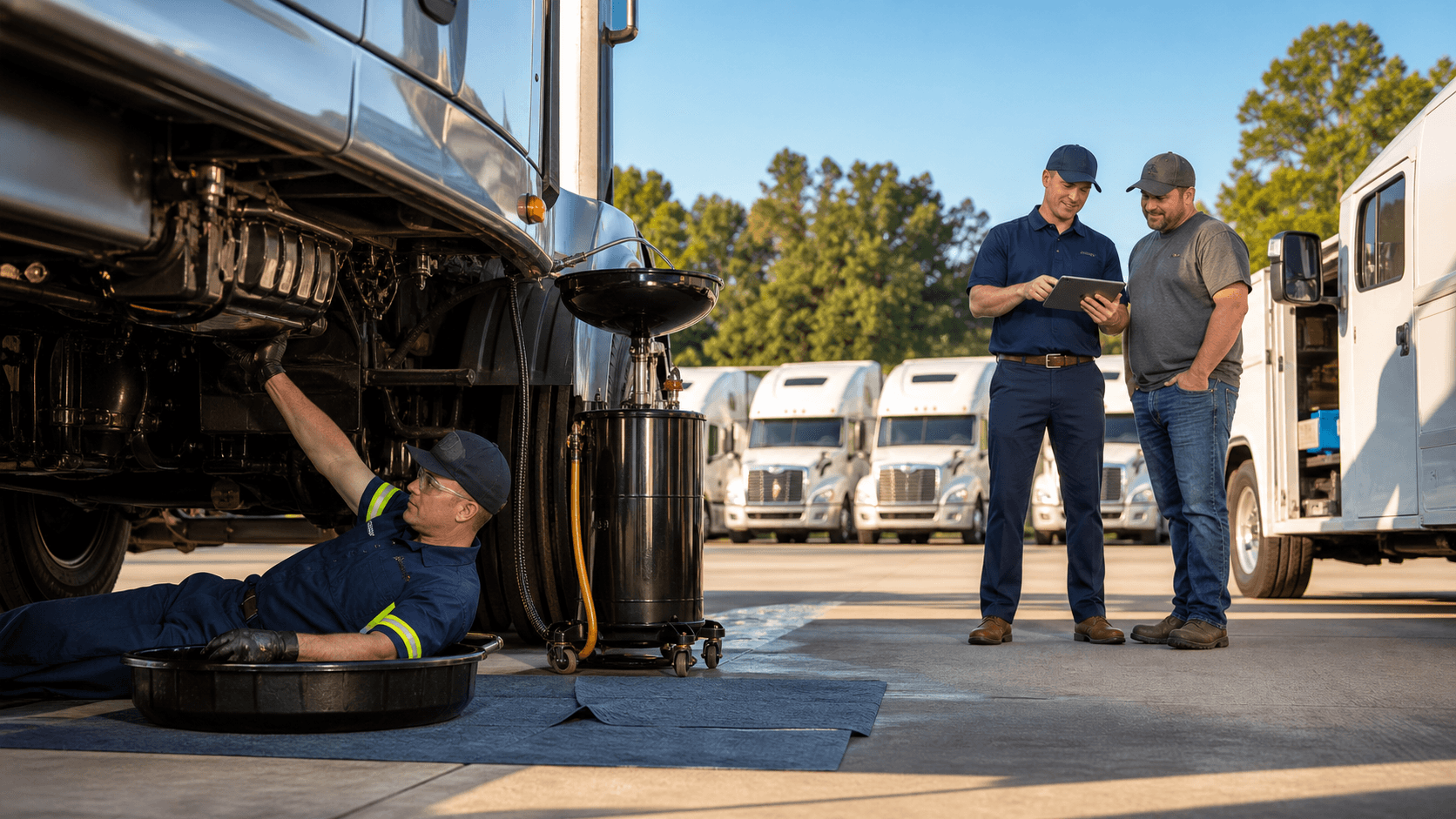
Once all your inspection data lives in one place, scheduling repairs becomes much easier. A mobile maintenance partner can look at that list, group repairs by unit and location, then plan efficient on-site visits instead of chasing random calls.
Prioritize Repairs with Clear Severity Rules
Not every defect is an emergency. Without shared rules, drivers, dispatch, and maintenance can end up arguing about what can roll and what must be parked.
A simple three-level severity system works well for most fleets:
- Critical: Safety or DOT items like brakes, steering, major lighting, or tires with serious damage. The truck should not go back on the road until these are fixed.
- High: Issues likely to turn into road calls or compliance problems within 30 to 60 days, such as low tread, weak batteries, or fluid seepage.
- Routine: Comfort, cosmetic, or minor items that can wait for the next PM visit.
Then tie each level to a clear timeline:
- Critical: Fixed before the vehicle returns to service.
- High: Scheduled in the next on-site maintenance window, usually within 7 to 14 days.
- Routine: Bundled into the next PM service or tire rotation.
Categories help you spot patterns. For example, if you tag every finding with a type like brakes, tires, electrical, body, or fluids, you might notice repeat brake wear on mountain routes or tire cuts at certain docks.
These rules cut down on conflict. Everyone knows what grounds a unit and what can safely wait until the next planned service. During hot North Carolina summers, it can also make sense to bump items like cooling system issues, borderline tires, and aging batteries into the High group, since heat makes those more likely to fail.
Turn DVIRs and PM Reports Into a Repeatable Schedule
Once findings are in one place and flagged by severity, the next step is a steady rhythm for turning them into scheduled work.
A simple weekly workflow can look like this:
- Set a daily or weekday review time, like 8 a.m., to look at new DVIRs and PM findings.
- Assign a severity level and a due-by date to each item.
- Group repairs by unit, yard, and route to cut down on downtime.
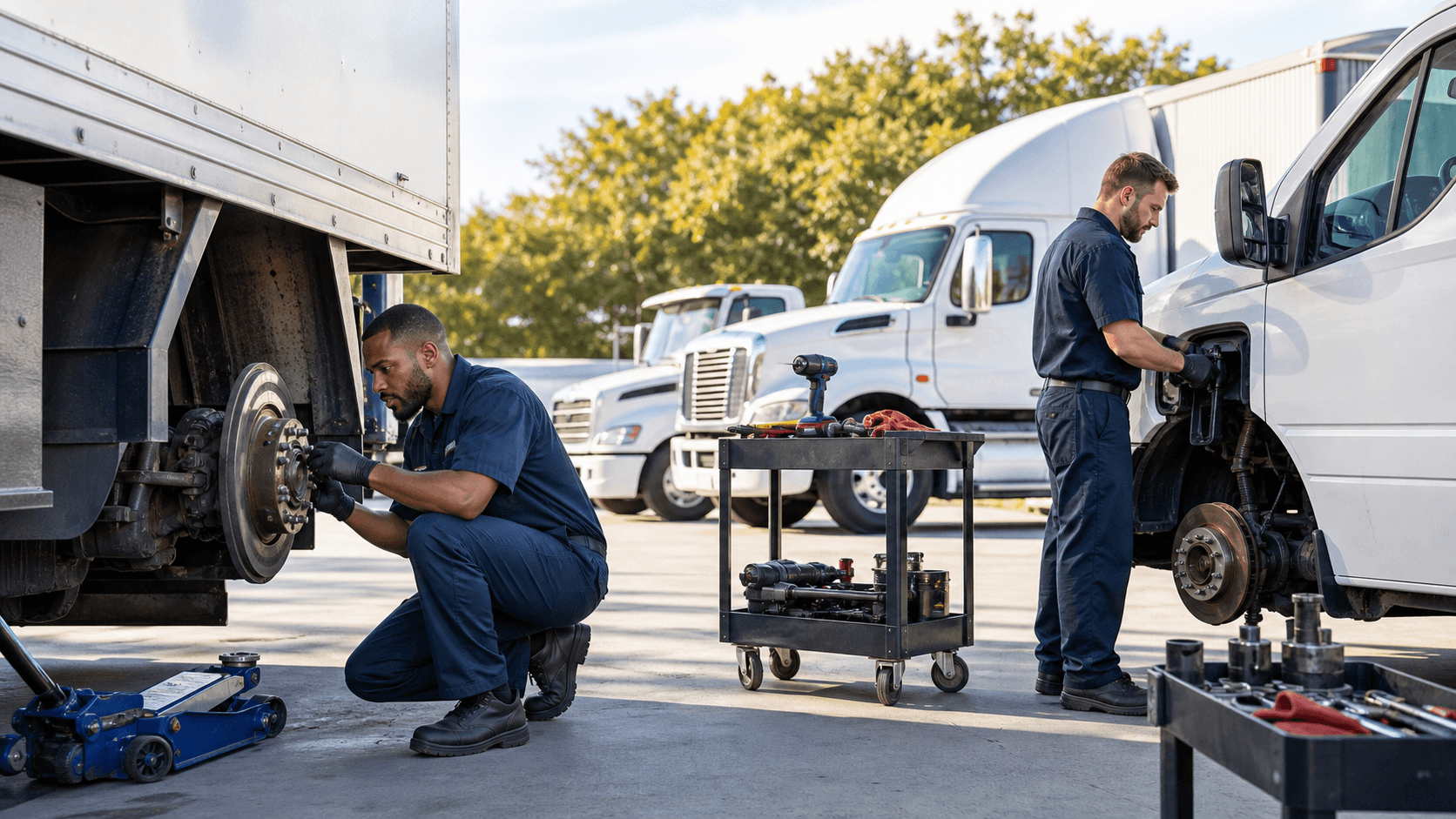
On-site scheduling works best when it is built around your dispatch plan. Mobile technicians can service trucks:
- Overnight or early morning while units are parked
- During driver breaks or shift changes
- On low-usage days for backup or seasonal units
Bundling is a big win here. If one truck needs new tires soon, the battery is testing weak, and wipers are worn, it is better to handle those in one visit instead of three separate events. Your inspection data tells you which items can move together.
Clear communication keeps everyone aligned:
- Share a brief weekly report with dispatch and operations showing which units are down, which are scheduled, and which have open issues.
- Let drivers know when their truck is scheduled for on-site service and what will be done, so they plan around it.
Good documentation closes the loop. Every DVIR defect and PM finding should get a closure note with the date, what work was done, and the technician's name. That helps with DOT audits and also builds trust that inspections lead to action.
Measure the Drop in Road Calls and Prove ROI
To show that your new workflow works, you need a baseline. Before you change anything, track:
- How many road calls you have in a typical month
- Average cost per road call, including tow, after-hours labor, and missed loads
- Average downtime hours per road call
Then, as you tighten your inspection-to-repair process, start watching:
- How many DVIR defects and PM findings are closed within their target timelines
- The ratio of scheduled repairs to unscheduled road calls
- Road calls per 10 units or per 100,000 miles, month over month
To calculate savings, compare your earlier period to your current one. Fewer road calls at the same or higher mileage means your inspection workflow is doing its job. Multiply the reduction in road calls by the average cost per event, then add the value of more on-time deliveries and less driver overtime.
There are also benefits that are harder to put into numbers. When drivers see that "if I write it up, it gets fixed," they take inspections more seriously. Customers notice fewer missed appointments. Safety performance improves, which can help with insurance and future contracts.
Seasonal check-ins are helpful too. At the end of summer, look back at breakdowns like overheats, blowouts, and battery failures. Use that data to adjust your severity rules, your maintenance timing, and your inspection training before winter brings a new set of challenges.
Put Your Inspection Data to Work Starting This Month
The main idea is simple: fleet inspections only pay off when DVIRs and PM reports feed a consistent process. That process includes one place to store findings, clear rules for severity and timing, a repeatable schedule for on-site repair, and ongoing tracking of road calls and closure rates.
A quick-start checklist might look like this:
- Pick your single system for logging inspection findings
- Define your three severity levels and matching timelines
- Set a daily or weekly review time and scheduling rhythm
- Begin tracking road calls and how quickly you close defects
Mid-summer heat in North Carolina is a good time to focus on cooling systems, tires, and batteries. Your current DVIRs and PM reports probably already show where your biggest risks are hiding. A mobile, on-site maintenance partner like East Coast Fleet Service can help review those inspections, build a prioritized repair list, and create an on-site maintenance calendar that fits your routes and hours while also providing reports that show improved uptime over the coming months.
Keep Your Fleet Safe, Compliant, and On the Road
If you are ready to reduce downtime and avoid surprise breakdowns, schedule your fleet inspections with East Coast Fleet Service today. Our team comes to you, performs thorough checks, and helps you stay ahead of costly repairs. Reach out to our service team with any questions or to book your next visit through our contact page.