Keep North Carolina Fleets Moving with Faster Tire Care
Mobile tire replacement service helps busy North Carolina fleets stay on the road instead of stuck at a shop. When a truck is down with a bad tire, your whole schedule feels it, from late deliveries to stressed drivers and unhappy customers. Fast, on-site tire care keeps work moving and protects everyone on the road.
With mobile tire replacement, the tire shop comes to you. Service can happen in your yard, at a job site, or in a safe spot on the road, so there is no waiting room, no towing, and less time lost. Our team at East Coast Fleet Service focuses on keeping North Carolina commercial vehicles ready to roll, and mobile tire work is a big part of that. In this article, we will look at how this approach boosts safety, cuts downtime, and helps control costs for fleets across the state.
Hidden Costs of Traditional Tire Replacement for Fleets
Taking a truck off route for a tire issue sounds simple until you add up the hidden costs. A "quick trip" to the shop often turns into hours of lost work that your team never gets back.
Traditional tire replacement can pile up direct and indirect expenses like:
- Paid driver time waiting at a shop
- Fuel burned driving to and from the tire store
- Long waits when the shop is busy or short-staffed
- Towing if the vehicle cannot be driven safely
- Rescheduling jobs or routes around the delay
When several vehicles need tires in the same week, the pain multiplies. Trucks stack up at shops, and operations slow down. Common headaches include:
- Missed or late deliveries
- Service calls pushed to another day
- Overtime for crews trying to catch up
- Extra wear on backup vehicles
North Carolina roads do not make life any easier. Heavy traffic on routes like I-40 and I-85, frequent construction areas, and long runs to coastal and rural jobs all put steady stress on tires. Heat, debris, and rough surfaces raise the risk of worn spots and sudden blowouts.
Most traditional tire service is designed for individual drivers, not for fleets that need multiple trucks ready every morning. That mismatch keeps fleet managers stuck in a cycle of last-minute shop trips and constant juggling.
How Mobile Tire Replacement Service Protects Your Fleet
Mobile tire replacement service flips the script by bringing tire care to your operation instead of sending trucks to a shop. This makes tires part of your planned maintenance instead of a series of surprises.
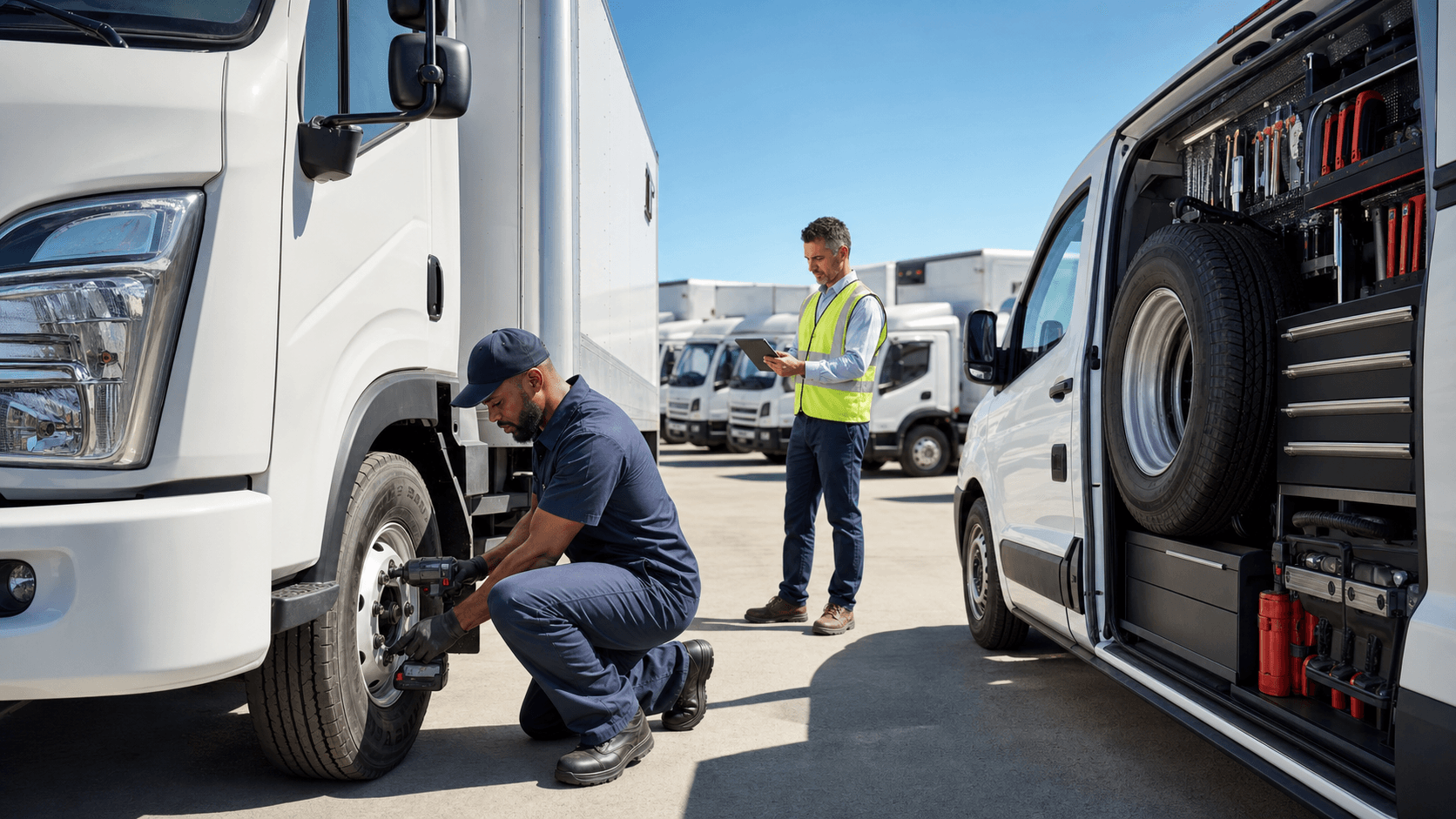
Here is how a typical visit works:
- You choose a time when trucks are parked, like early morning or between shifts
- Technicians arrive with the right tires, tools, and equipment
- Old tires are removed, new ones are mounted and balanced
- Valve stems are replaced and tires are properly inflated
- Vehicles are checked and cleared to go back into service
Because the work happens where your vehicles sit, trucks are down for less time. Many fleets combine tire replacement with other on-site maintenance to make that time even more productive.
On-site tire inspections are a big protective benefit too. Techs can spot trouble before it becomes a road incident, such as:
- Sidewall cuts or bulges
- Uneven wear that hints at suspension or alignment issues
- Low tread depth that will struggle on wet pavement
- Repeated low pressure that may signal a slow leak
Catching these issues in your lot is far safer than dealing with a blowout on a busy highway. Mobile tire service also reduces the risk of drivers trying to handle a roadside tire change near fast traffic or in poor weather, where one wrong step can be serious.
Boost Uptime and Safety in North Carolina's Tough Driving Conditions
North Carolina serves up a mix of hot summers, heavy rain, hurricane threats, and steep grades in the mountains. All of that is hard on tires, especially for commercial vehicles that run loaded and cover a lot of ground.
High temperatures heat the pavement and the rubber, especially in stop-and-go traffic or during long highway stretches. Add sudden downpours or standing water and worn tires lose grip fast. In the mountains, long downhill runs can add extra heat and stress.
Mobile tire checks and replacements set on a regular schedule help fleets stay ahead of these conditions. Good planning might include:
- Routine tire inspections during off hours
- Replacing low tread tires before busy travel periods
- Extra checks before long coastal, mountain, or overnight routes
- Grouping tire work for multiple trucks in the same visit
When tires are checked and replaced before trucks roll out, drivers can focus on the road instead of worrying about a soft tire or sketchy traction. That leads to:
- Better grip on wet or slick pavement
- Fewer breakdowns on the shoulder or in narrow work zones
- Lower chance of sudden blowouts that can cause incidents
Stronger tire safety also supports lower risk for your business. Fewer road incidents and breakdowns can tie into reduced exposure, fewer internal reports, and better alignment with your own safety rules and DOT expectations.
Cutting Fleet Costs with Smarter Tire Management
Tires will always be a significant expense for commercial fleets, but how you manage them can change the long term cost picture. Mobile tire service helps shift from crisis spending to thoughtful planning.
Regular on-site attention can extend tire life by catching:
- Underinflation that makes tires run hot and wear faster
- Mismatched tread depths on paired tires that cause uneven wear
- Wear patterns that point to alignment or suspension problems
- Damage from curbs, debris, or off-road work areas
Addressing these early often keeps tires in service longer and can prevent damage to other components. Over time, that is easier on your maintenance budget.
Working with one mobile tire provider also simplifies how you track spending. Instead of random invoices from different shops, you can have:
- Consistent records of tire replacements and rotations
- A clear view of which vehicles wear tires faster
- Better forecasts of upcoming replacement needs
- Fewer surprise tire bills disrupting your budget
Faster tire service means trucks spend more time working and less time sitting. That can reduce the need for rental vehicles, limit overtime, and cut back on service credits or discounts when you are late due to tire trouble. All of those wins help your bottom line.
Why North Carolina Fleets Trust East Coast Fleet Service
East Coast Fleet Service focuses on professional on-site fleet maintenance for commercial vehicles across North Carolina, and mobile tire replacement service is a key part of what we do. We work with a wide range of fleets, including delivery vehicles, construction trucks, and service vans.
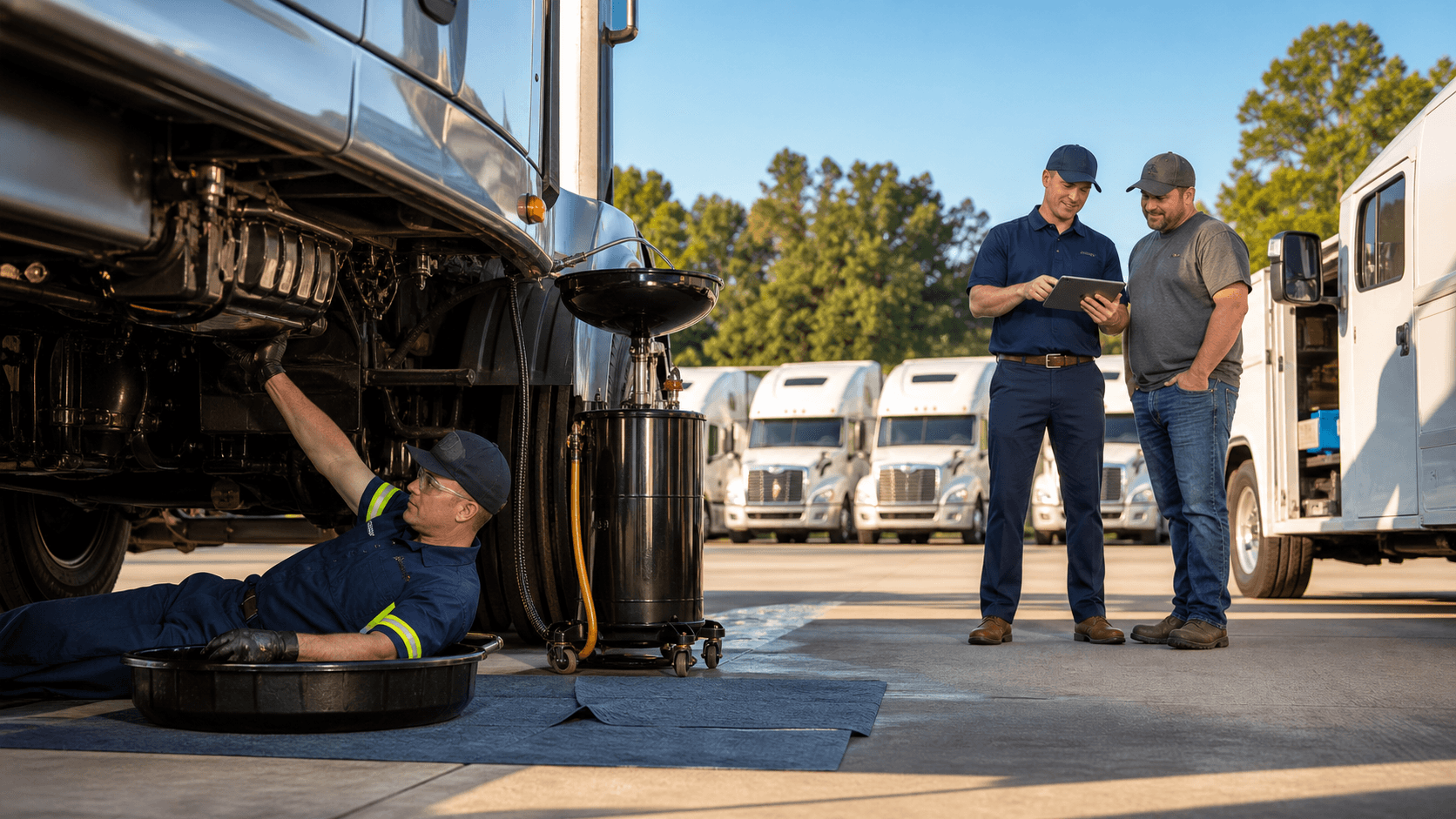
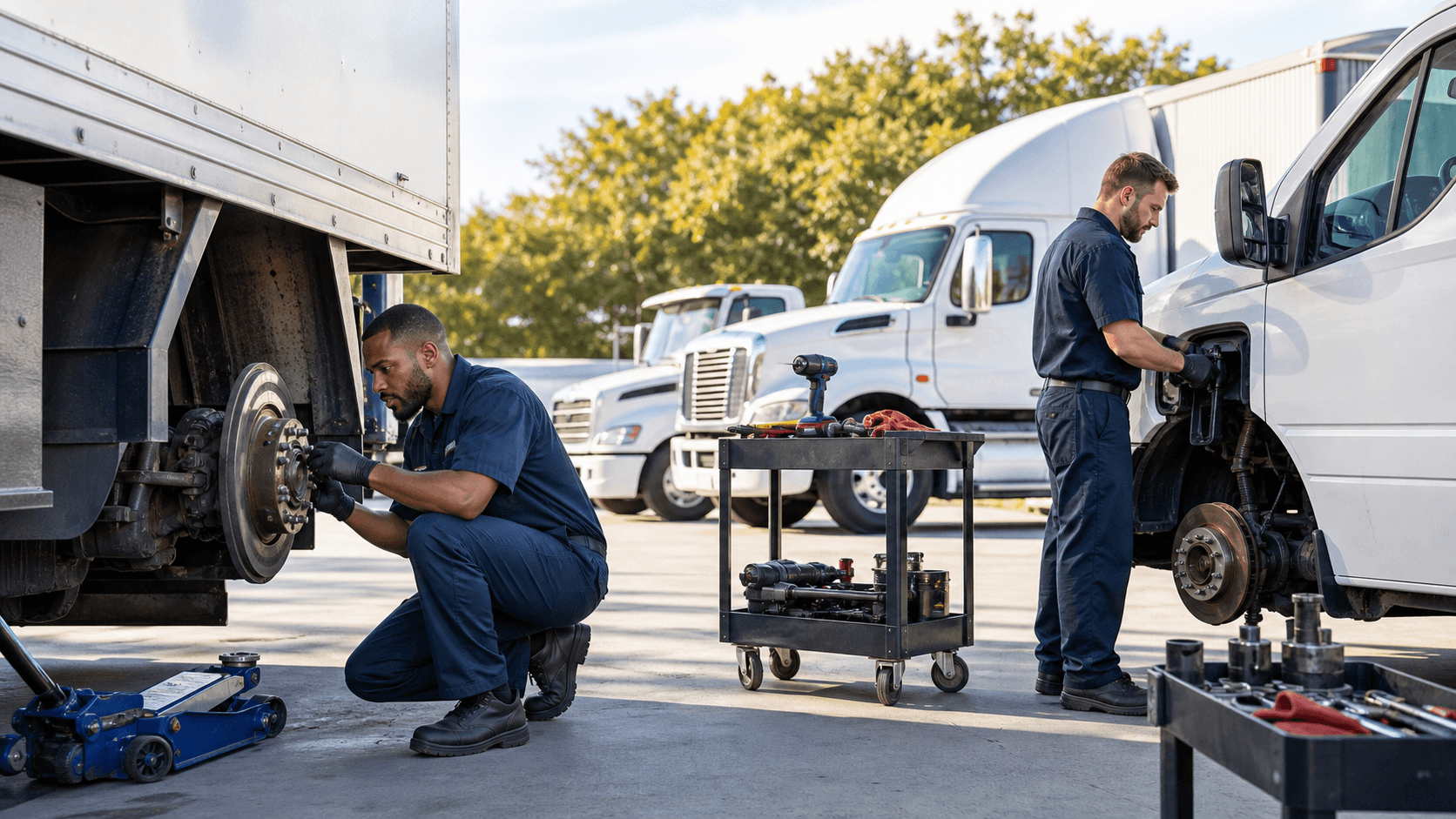
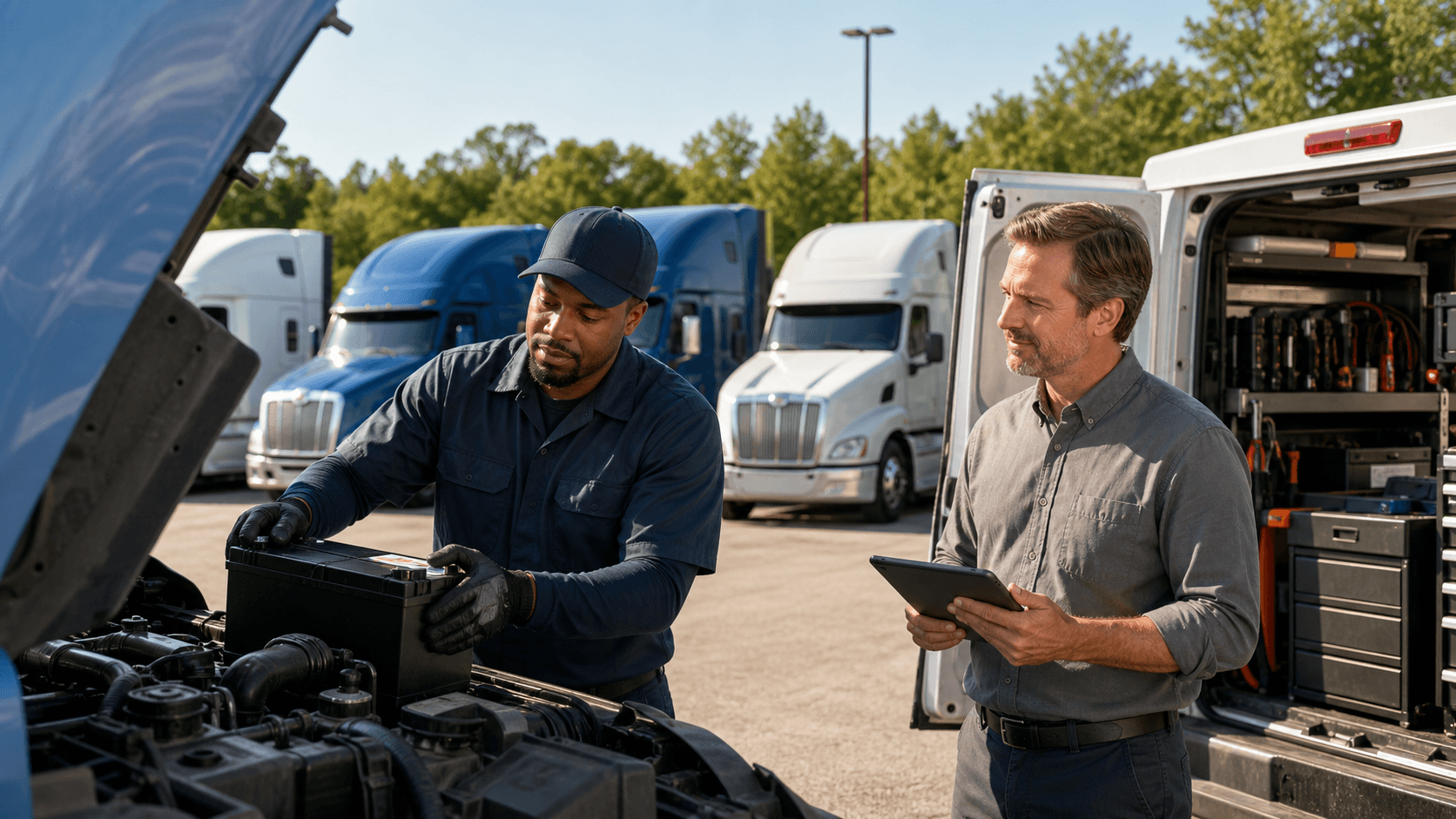
Because we already handle mobile oil changes, brakes, batteries, and other preventive maintenance, we can often combine tire work with these services in a single visit. That means fewer interruptions for your drivers and a more complete picture of each vehicle's condition.
Fleet managers appreciate being able to plan recurring service around their schedule. Some prefer overnight visits when trucks are parked, others like early morning or gaps between shifts. We work with your operating hours so your team can keep focusing on customers.
Over time, our technicians get to know your routes, mileage patterns, and seasonal demands. That helps us suggest tire strategies that fit your reality, like when to rotate, when to retire older tires, and which vehicles need closer monitoring during busy seasons. The goal is simple: keep your fleet ready, safe, and productive on North Carolina roads.
Keep Your Fleet Moving With Fast, On-Site Tire Service
When a truck is stuck with a tire issue, every minute counts, and we are ready to come to you and get your vehicles back on the road quickly. Our mobile tire replacement service brings the tools, parts, and experienced technicians directly to your location, reducing downtime and hassle. If you are ready to schedule service or have questions about fleet support, simply contact us and the East Coast Fleet Service team will help you plan the next steps.