When Emergency Fleet Service Becomes a Dispatch Problem, Not a Truck Problem
Emergency fleet service is there to save you when a truck truly fails. But for many fleets, those late-night calls are not just about bad luck or worn-out parts. They often start with planning, communication, and dispatch choices that left no room for normal, everyday issues.
In this article, we want to look at the difference between real equipment emergencies and dispatch-created "emergencies." When you separate the two, you cut downtime, protect your drivers, and keep freight moving with fewer surprises on the road.
Stop Treating Every Truck Issue Like a 2 A.M. Crisis
A loaded truck sits on the shoulder of I-40 on a chilly October night. Headlights of passing traffic flash by, the driver is tired and stressed, and the freight has to be there in the morning. Dispatch is on the phone trying to find emergency fleet service, everyone is tense, and the clock is ticking.
It feels like a pure truck problem. But was it? Or did the real issue start earlier in the day, or even earlier in the week?
Many "emergencies" trace back to choices inside the office, such as:
- Overbooking runs with zero buffer
- Assigning a unit that was already overdue for service
- Ignoring driver comments from pre-trip or post-trip inspections
When every delay is treated like a crisis, nobody asks the harder question: did dispatch give this truck and driver a realistic chance to succeed?
We want to help fleets in central North Carolina and beyond separate true breakdowns from dispatch-driven events. When you can see the difference, you can reduce calls for emergency fleet service and make sure the calls that do happen are for real, urgent truck issues.
When Dispatch Decisions Create "Emergencies" Out of Routine Issues
Some days, the truck is not the real problem. The plan is.
Tight delivery windows and overambitious routing mean even a small delay, like a fuel stop taking longer than expected, now feels like a disaster. What should be a simple schedule adjustment becomes a rush for roadside help.
Here are common dispatch choices that turn normal problems into emergencies:
- Routes with no time buffer for traffic, weather, or loading delays
- Assigning a truck that is the wrong fit for the route or freight
- Pushing a unit with known maintenance flags to "just do one more run"
- Skipping follow-up on driver vehicle inspection reports
Load planning also plays a big part. If a heavier load goes on a truck with known performance concerns, or a long overnight lane goes to a unit that is past due for a check, the odds of a roadside call go up.
Communication gaps then pour fuel on the fire. When:
- DVIR notes never make it from drivers to maintenance
- Dispatch does not see or understand repair recommendations
- Drivers are not sure when a concern is truly "park it now"
small issues grow until they show up on the shoulder with hazard lights on. Around October, when freight often ramps up and more driving happens after dark, these small planning misses are even more painful.
How to Tell a True Equipment Failure From a Dispatch Problem
Not every breakdown is on dispatch. Trucks work hard and parts sometimes fail without warning. The key is knowing which is which.
A true equipment emergency usually looks like:
- Sudden loss of power with no warning
- Safety-critical problems like brakes, steering, or lights failing on the road
- Tire failures or component breaks that could not be predicted from recent checks
- Damage from road hazards, debris, or accidents
On the other hand, dispatch-driven emergencies tend to show patterns:
- The same lane or time slot keeps needing emergency fleet service
- A truck breaks down right after running past a planned preventive maintenance interval
- The failure matches a complaint the driver reported earlier, like hard starting, weak brakes, or warning lights
Before placing an emergency call, dispatch can run through a few quick questions:
- Did the driver mention this issue earlier in the week or on a prior trip?
- Is this unit overdue for planned service or inspections?
- Has this lane or customer had repeated last-minute issues?
- Are we trying to squeeze in "one more load" on a truck that was already flagged?
These questions do not delay safety decisions; they simply help sort real surprise failures from problems that started with planning. When you do that, roadside techs can focus on true urgent cases, and your team can fix root causes instead of chasing symptoms.
Building Dispatch Workflows That Reduce Emergency Fleet Service Calls
If dispatch and maintenance work together, you can cut down the number of emergency events without putting more pressure on your drivers.
Strong workflows often include:
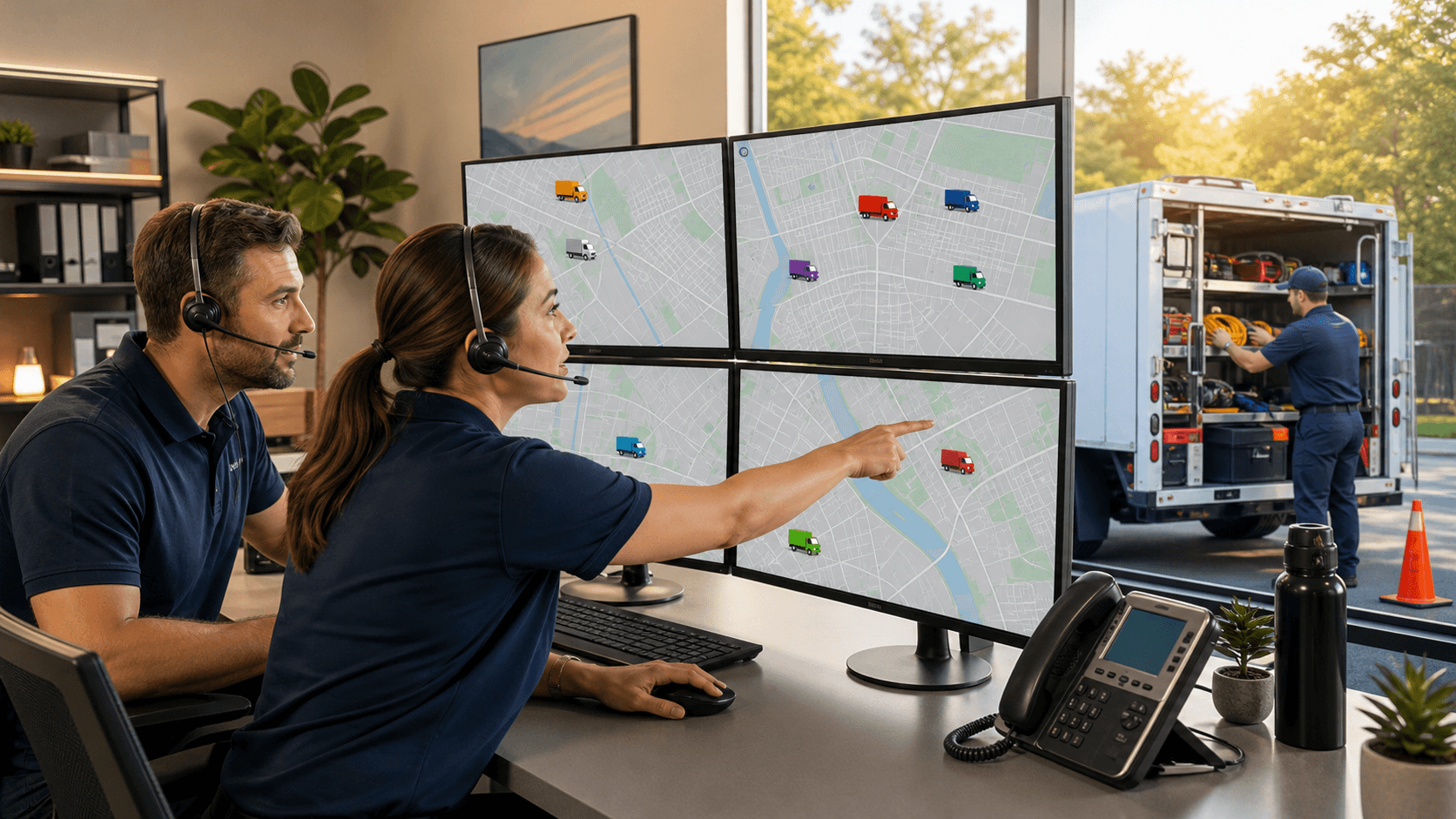
- Dispatch screens or notes that show maintenance status for every unit
- Simple flags for trucks that are close to or past due on service
- Rules that limit assigning certain runs to units with open inspection notes
Proactive communication helps even more. Helpful habits include:
- Scheduled check-ins between dispatch and maintenance to review units and upcoming freight
- Quick driver feedback after runs to catch small issues early
- Clear rules that tell drivers when to report a concern, and when to stop a truck right away
Route design matters too, especially as days get shorter and weather can change fast. Building in realistic buffers for traffic around central North Carolina, loading delays, and night driving reduces the need to "make up time" later with risky decisions.
A mobile-focused maintenance partner can support these workflows by handling:
- On-site inspections and repairs at your yard between runs
- Pre-trip checks for units that will run longer or tougher lanes
- Planned in-shop work that fits around your dispatch schedule
When planning and service work in sync, a lot of "unexpected" breakdowns simply never happen.
Using Emergency Fleet Service Data to Fix Dispatch Weak Spots
Every emergency call tells a story. If you only see it as a repair ticket, you lose a chance to improve your operation.
It helps to log and review details such as:
- Time of day and day of week
- Lane, customer, and general route conditions
- Unit number and recent maintenance history
- Driver notes from DVIRs and any call-ins before the event
When you look back over several events, patterns begin to show. Maybe the same delivery window always runs tight. Maybe certain routes push trucks that are already close to a service threshold. Maybe drivers did report issues, but there was no clear way to act on them.
After each roadside event, a short review with dispatch, the driver, and maintenance can cover two simple questions:
- Could this have been prevented with different planning or scheduling?
- Where did our process let this slip through?
Over time, partners like East Coast Fleet Service can help fleets read these trends, adjust preventive maintenance timing, and plan for busy seasons before they start, instead of reacting at the side of the road.
Turn Late-Night Breakdowns Into Planned, Profitable Uptime
Emergency fleet service should be the safety net, not the daily plan. When you separate true equipment failures from dispatch-driven problems, you free up your drivers, your techs, and your freight to move with less drama and fewer midnight headaches.
At East Coast Fleet Service, we support commercial fleets across central North Carolina with mobile fleet maintenance, 24/7 heavy truck roadside service, and in-shop repairs that fit the way you run. By pairing smarter dispatch workflows with the right mix of on-site, roadside, and shop service, you can turn many "crises" back into what they were at the start: normal, manageable parts of doing business on the road.
Keep Your Fleet Operating Without Costly Downtime
When a truck is down, your schedule and revenue take the hit, so we respond quickly with our on-site emergency fleet service to get you moving again. At East Coast Fleet Service, we come to your yard, jobsite, or roadside location with the tools and expertise to handle most issues on the spot. If you are ready to reduce unexpected breakdowns and keep your vehicles on the road, contact us and we will help you plan a support strategy that fits your fleet.